 (512) 277-9435
 sales@progreenlandscapesolutions.com

Does your sprinkler system barely reach the grass in one area while another head sends a cloud of fine mist into the air? Both problems can leave dry patches and waste water, but they don’t usually come from the same cause. In Round Rock, TX, November’s cooler weather is a good reminder to check how the system is performing before putting regular watering on hold. This blog explains what those spray patterns mean, what homeowners can check safely, and when sprinkler repair makes more sense than adjusting the timer.
Why Sprinkler Repair Starts by Comparing Low Pressure and Misting
How Irrigation Signals a Low-Pressure Problem
When water pressure is too low, a sprinkler head may rise only halfway or throw a short stream that never reaches its intended area. The result can be a strip of dry grass beside a section that looks perfectly healthy. A broken underground pipe can cause this, but so can a partly blocked nozzle or a valve that isn’t opening fully. Proper irrigation needs enough pressure and flow for every head in the zone to operate as designed. If several heads suddenly spray weakly together, the trouble may be farther back along the line. A single weak head points toward a smaller sprinkler repair job.
For example, a homeowner in Cedar Park, TX, may notice one corner staying dry even though the other heads appear to work normally. Before assuming the entire system needs replacement, note which zone is running and which heads are affected. Water bubbling up near a head or an unusually damp strip between heads may suggest a leak. Homeowners can observe these clues during a short, permitted test without digging into buried piping themselves. Sprinkler repair should start by locating the weak point rather than increasing watering time to compensate. Longer run times will not fix a damaged line.
Why Irrigation Repair Checks for Fine Misting
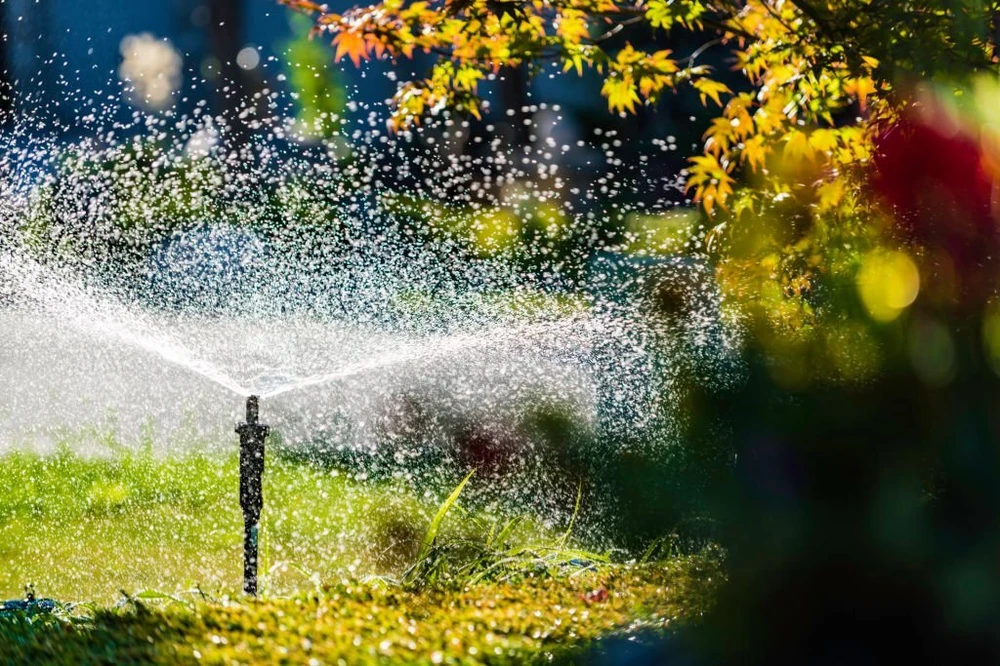
Misting looks very different from low pressure, even though both can leave the lawn with uneven coverage. Instead of a defined spray reaching across the grass, the irrigation nozzle produces a cloud of very fine droplets. The usual cause is pressure that is too high for that particular spray head. Those small droplets can drift in a light wind or evaporate more readily before reaching the soil. This means the grass closest to the head may get wet while the intended area receives less water. Irrigation repair may involve regulating pressure rather than simply installing a stronger nozzle.
There is also a difference between true misting and water blowing sideways on a windy afternoon. A healthy spray can drift when the wind picks up, but a fog-like cloud forming right at the nozzle on a calm day deserves attention. An irrigation head installed at an angle can also spray water across pavement rather than the lawn. A sprinkler repair inspection can check the manufacturer’s recommended operating pressure and the nozzle type being used. Pressure-regulating spray bodies can help when excessive pressure is the actual cause. However, reducing pressure without measuring it first could make another zone perform poorly.
How Sprinkler Repair Finds Trouble Between Valves and Spray Heads
How Irrigation Loses Pressure Along the Lines
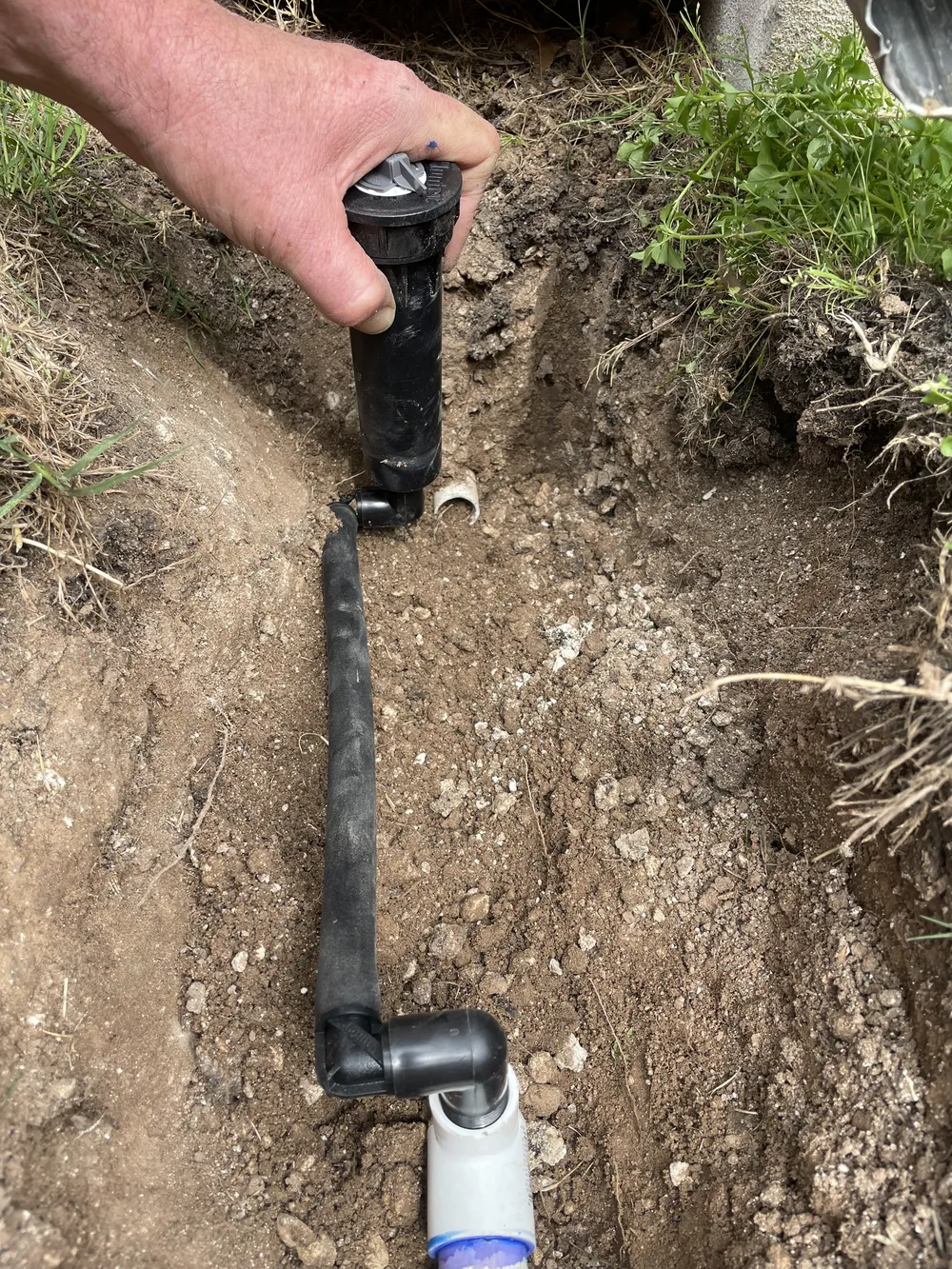
A watering zone is made up of heads connected to underground piping and controlled by a valve. If that valve doesn’t open properly, the heads may receive less water than expected even when the supply pressure is normal. A leak along the pipe can have a similar effect because water escapes before it reaches the sprinklers. For irrigation systems with several zones, comparing their performance can help narrow down the search. One weak zone suggests a problem somewhere along its path, while weak spraying everywhere may call for checking the supply and shared equipment. Those observations help direct sprinkler repair toward the right part.
In Round Rock, TX, some yards have rocky soil and narrow planting strips that make underground problems difficult to spot from the surface. A wet patch can indicate a leak, but recent rain or a low spot may explain it. A qualified technician can check whether the affected valve opens correctly and whether a pipe is losing water while running. Sprinkler repair may then focus on one fitting or section of line instead of replacing components throughout the yard. It is also worth checking whether household water use is affecting the available flow during the test. Running several fixtures at once can change what homeowners observe.
Why Irrigation Repair Checks Spray Head Parts
Not every uneven spray pattern means the underground piping is damaged. Sediment can collect in a nozzle filter, and grass or soil can keep a pop-up head from rising properly. A cracked nozzle may produce an odd stream or send water straight upward rather than across the lawn. Irrigation repair can be as simple as cleaning or replacing a compatible head component once the supply is turned off. The replacement must suit the existing system because different nozzles need different operating conditions. Putting an unsuitable part on one head can leave nearby landscaping dry.
A homeowner in Cedar Park, TX, might see one head making a narrow jet while the next produces a wide fan. That difference isn’t always a sign of a fault because spray heads and rotors operate differently, but mixing incompatible types in one zone can create uneven watering. If a new nozzle has a much higher flow demand, nearby heads might no longer work as expected. A professional can compare the parts installed with the original zone design and determine whether they belong together. Good sprinkler repair is about getting even coverage, not using the nozzle that throws water the farthest. Quality replacement materials are especially important when older heads need matching components.
When Sprinkler Repair Calls for Pressure Testing and Better Parts
How Irrigation Pressure Tests Reveal Problems
An inspection is more useful when the technician knows whether the problem occurs in one zone or throughout the property. A suitable gauge can measure pressure while the system is operating, then compare it with the requirements for the actual heads. This helps distinguish excessive pressure at a spray nozzle from insufficient flow caused by a restriction farther upstream. Proper irrigation repair also checks how much water the zone needs rather than assuming that pressure alone explains everything. A zone with too many demanding heads may struggle even if the supply pressure seems acceptable. With sprinkler repair, diagnose the issue before buying regulators or replacement parts.
Sometimes a homeowner notices misting only near the house, while a lower section of the yard sprays normally. Different elevations and how irrigation pressure is regulated can cause those variations. A professional handling irrigation repair may recommend pressure-regulated heads in one area or a properly chosen regulator for part of the system. Neither option should be installed blindly, since excessive pressure and weak delivery call for different solutions. A sprinkler repair plan should also consider whether any head is directed toward a sidewalk or the side of the house. Correcting that coverage may save water without adding another watering cycle.
Why Irrigation Repair Helps Avoid Water Waste
November changes how the system should be used around Central Texas homes. As temperatures cool and grass growth slows, lawns generally need far less supplemental water than they did in summer. The City of Round Rock recommends turning off routine automatic watering during the winter months and using water only when needed. If you need to inspect the system, run a brief test that follows local watering rules and avoids freezing conditions. Homeowners can record which heads seem weak or misty without leaving the controller on its summer schedule. That gives a technician useful information when irrigation repair is arranged.
Some families also ask whether irrigation winterization will solve the pressure issue before colder weather arrives. Protecting equipment ahead of a freeze is a separate concern from diagnosing a leak or an unsuitable nozzle. Round Rock generally does not call for full seasonal system winterization because freezes are usually brief, although the city advises shutting off the system’s water supply for protection. Homeowners should follow local instructions for their equipment instead of opening backflow assemblies or valves they don’t understand. A careful sprinkler repair visit can identify damaged components and discuss appropriate freeze precautions at the same time. That approach helps avoid unnecessary work while protecting the landscaping already in place.
Conclusion
A weak spray and a cloud of mist may look like opposite problems, but both deserve the right diagnosis before more water is used. Checking the affected zones, the condition of the heads, and the operating pressure can show what actually needs attention. At Pro Green Landscape Solutions, we bring local experience and use quality materials to recommend repairs suited to each property. We also aim to give homeowners good value by addressing the cause rather than suggesting unnecessary replacements. Contact us today to discuss sprinkler repair and get your watering system ready for the seasons ahead.

