 (832) 879-7411
 sales@progreenlandscapesolutions.com
May is when a lot of homeowners start relying on the controller more than they realize. The weather around Houston can jump from a nice morning to sticky heat by midday, and that is usually when watering schedules start to change. The tricky part is that small controller problems can hide for weeks, then show up all at once when the lawn needs water the most. Keep reading to spot those early issues before summer turns them into bigger headaches.
Controller Glitches That Hide Until Heat Hits
Irrigation Schedules That Drift Without Anyone Noticing
A controller can be “working” and still be doing the wrong thing for the yard. One common problem is a schedule that slowly drifts from what the lawn actually needs, especially after a power blink, a storm, or someone bumps settings while trying to check the time. A homeowner might notice the irrigation is running, but the start time has shifted to the early morning hours, which no longer makes sense for their yard. Then the lawn starts looking patchy, and the first instinct is to run the zones longer. That is when water waste starts to build up, and summer has not even fully started.
In The Woodlands, TX, it is easy to miss this drift because May often has a mix of warm days and surprise rain. The controller might be set up for a cooler pattern, and the lawn gets behind on water right as heat arrives. On the flip side, the controller might run too often after rainfall, causing runoff on slopes or soggy spots near beds. When the yard stays too wet, roots do not grow as deep, and turf can struggle when the real hot stretch shows up. A small scheduling problem in May can turn into a bigger summer issue because it sets the lawn up with weak roots and uneven moisture levels.
Irrigation System Repair For Wiring That Acts Unreliable
Wiring problems are another “small” issue that rarely stays small for long. A controller can have one zone that sometimes runs and sometimes does not, and it can feel random. Often, it is not random at all. It is a loose wire, corrosion in a connection, or a worn splice that makes the signal weak. That is the kind of situation where irrigation system repair saves a lot of stress, because summer demand will expose that weak zone quickly.
Some homeowners try to work around it by running another zone longer, hoping water reaches the dry area. That can create a strange pattern where one part of the yard is overwatered while another stays thirsty. It also makes troubleshooting harder later, because symptoms get mixed. If the controller is showing zone errors or the same zone keeps skipping, it is worth getting the wiring checked before the hottest weeks arrive. This is also a good time for sprinkler repair when a zone problem turns out to be tied to a head that is not responding the way it should.

Controller Sensor Issues That Snowball in Summer
Irrigation Sensors That Lie After Stormy Days
Sensors are supposed to help a controller make smarter watering decisions, but they can cause trouble when they are not reading correctly. Rain sensors, moisture sensors, and even flow monitoring tools can send the wrong signal if they are dirty, bumped, or aging. In May, storms can roll through, leaving everything wet, then two days later, the yard is dry again. If the irrigation sensor is stuck in “rain” mode, the controller may skip watering the lawn at the exact time it needs it. By the time a homeowner notices, the turf is already stressed and harder to bring back.
A yard in Spring, TX, can see fast swings in humidity and heat, and that makes sensor errors more obvious. If the controller is holding off watering because it thinks the soil is wet, the lawn can fade in sunny areas first. Beds near driveways and sidewalks will show it even faster because the ground heats up more. On the other side, if a sensor fails and the controller waters through rain, it can wash out mulch, encourage fungus, and push water into spots that do not need it. That is why sensor checks are not “extra.” They are a real part of keeping irrigation under control as summer builds.
Irrigation System Repair When The Controller Won’t Hold Settings
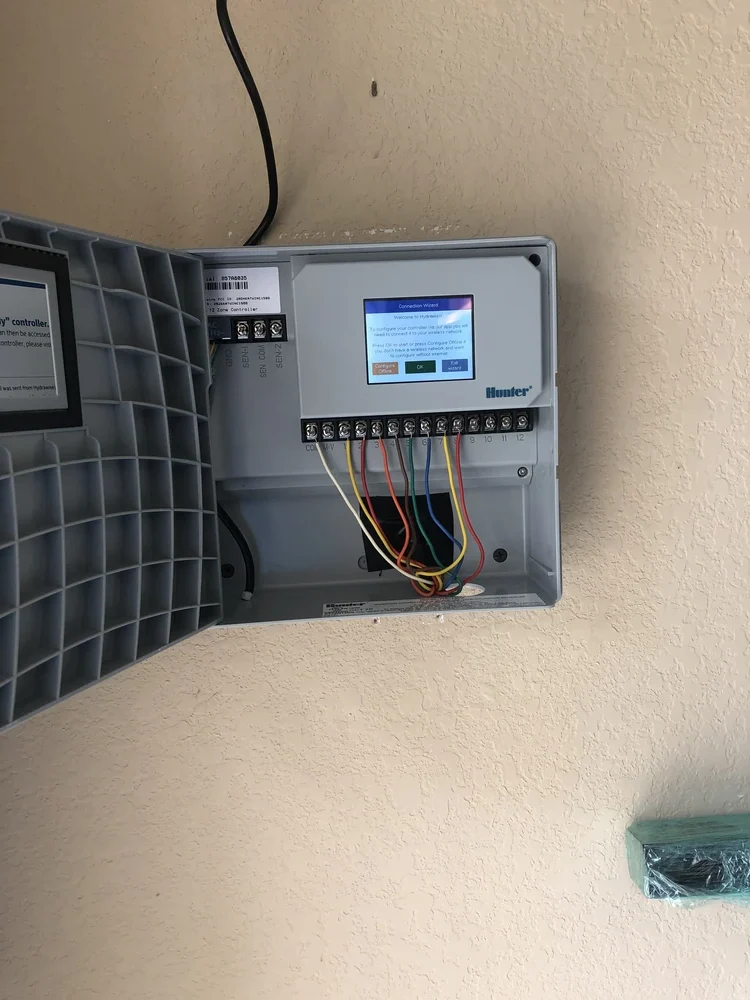
A controller that will not hold settings is one of those problems that frustrates homeowners because it feels like it has a mind of its own. Sometimes the screen resets, sometimes it forgets run times, and sometimes it goes back to a default program after a storm. This can happen when the backup battery is weak, the transformer is failing, or there is damage inside the unit from heat and moisture. That is where irrigation system repair matters, because the fix is often a targeted repair rather than a complete overhaul of the whole setup.
Many people do not notice this problem right away because the controller still turns on. It just does not follow the schedule they think they set. Over a few weeks, the yard can end up with missed watering days or extra watering cycles, both of which can create summer problems. Missed watering leads to dry patches that spread, especially in full sun. Extra watering can push water bills up and make mowing messy because the lawn stays wet. When a controller refuses to hold its settings, it is worth checking it early, before the yard pays the price.
Controller Programming Slip-Ups That Waste Water
Irrigation Run Times That Look Fine On Paper
Programming looks simple until summer heat starts testing every zone. A controller might be set with run times that seem reasonable, but the yard still looks thirsty. Often, the issue is not just minutes. It is how the watering is applied, and whether the yard can soak it in without runoff. In May, homeowners may set longer irrigation cycles to prepare for summer, but clay soil and compacted areas can only absorb so much at once. When water runs off, the controller can say it “watered,” but the lawn did not truly get it.
In The Woodlands, TX, shaded areas often hold moisture longer, while sunny areas dry out fast. If the controller is programmed with a single blanket runtime, it can water shade too much and the sun not enough. That uneven watering can show up as patchy color, thinning turf, and sections that never fully recover. A better approach is to check how water is soaking in and adjust zones based on real conditions. That is also when sprinkler repair can come into play, because a zone that seems weak may have heads that are clogged, tilted, or not rotating correctly.
Irrigation System Repair For Short Cycling And Weird Stops
Short cycling is when the controller starts a zone, stops, then starts again, or cuts a zone off earlier than programmed. Some homeowners assume it is a feature, but it often points to a problem that needs attention. It can be a wiring issue, a power supply problem, or a control board that is struggling. When this happens in May, it might only show up once in a while. In July, it can turn into full zone failures, and that is when lawns in strong sun can go downhill fast.
Homeowners in Spring, TX, often notice short cycling after storms or during the first hot streak, because that is when systems run more often and stay on longer. A controller with a weak transformer can struggle to meet that demand. A controller with worn internal parts can overheat and cut out, then come back on later, which makes watering unpredictable. This is where irrigation system repair helps in practice, because stabilizing the controller means the lawn gets consistent water. Consistency is what keeps turf from swinging between dry stress and soggy recovery.

Conclusion
Small controller issues in May can look harmless, but summer is not forgiving when a schedule is off, settings are reset, or sensors send the wrong message. When the controller is reliable, the yard gets water where it needs it, without wasted cycles and without constant guessing. If homeowners are seeing odd resets, skipped zones, or strange stop-and-start behavior, it is often a sign that it is time for a professional check. We at Pro Green Landscape Solutions offer a comprehensive range of services, licensed and insured experts, and local experience that fits Texas weather patterns. Contact us today to get the controller checked and keep the yard protected as summer approaches.

