 (214) 300-9564
 sales@progreenlandscapesolutions.com

Why Rain and Freeze Sensors are Essential for The Yard in Winter
Introduction: January in Dallas TX, can feel like a mix of cool rain, sunny afternoons, and a quick freeze. That is exactly when an irrigation schedule can get tricky: the yard may not need water, yet the system still wants to run as if it were spring. A rain/freeze sensor may seem like a simple fix, but many homeowners are unsure what it does or whether it is worth the trouble. This blog breaks it down in plain language, making it easier to determine what makes sense for your property.
How Irrigation Sensors Improve the Landscape During Winter
Common Irrigation Repair Issues You Can Avoid With a Sensor
A rain sensor is basically a small device that tells the irrigation controller, “Hold off, the ground is already wet.” It does not reprogram zones or select new runtimes; it simply stops irrigation. That matters in winter because heavy rain on compacted soil can lead to rapid runoff, and watering on top of that can wash mulch into walkways and soften planting bed edges. Over time, stopping unnecessary irrigation can also reduce soggy spots that lead to settling around heads and fittings, a common reason people schedule irrigation repair.
A freeze sensor has a different job, and it is one that Dallas homeowners tend to care about after a cold front hits. When temperatures drop near freezing, the sensor can stop irrigation to prevent water from being pushed through exposed parts at the worst time. It is not a magic shield for every underground pipe, but it can prevent the system from running under conditions that increase the risk of cracked heads, split above-ground lines, and icy sidewalk patches. Some sensors combine rain and freeze functions in a single unit, while others are separate.
Dallas TX, Winters, and Surprise Watering Days
Dallas TX, winters often feature warm afternoons that make a yard look dry, followed by a sharp nighttime temperature drop. That swing is why homeowners sometimes adjust irrigation settings too often and then forget where they left things. A rain/freeze sensor can reduce some of that guesswork, especially for people who travel or who do not want to monitor the forecast daily.
When a sensor stops irrigation during wet spells, it helps keep the soil structure healthier, since roots do not sit in waterlogged ground. It can also reduce algae and slick spots on hard surfaces near spray zones, a real concern in cold mornings. Some homeowners assume a sensor will automatically water “smarter.” Still, the truth is simpler: it stops irrigation at the wrong times, and that alone can make the yard easier to manage.
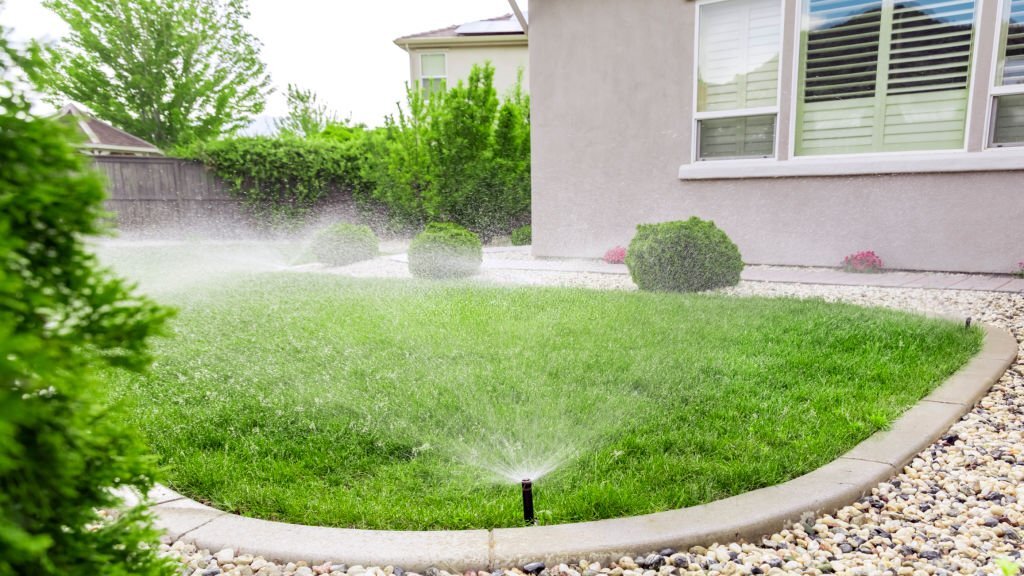
Irrigation Choices For a Better Yard When Rain Turns To Ice
Signs Your Rain Sensor Needs a Professional Irrigation Repair
A sensor is only useful if it is working, and winter is when small issues are noticed. One common issue is a rain sensor that remains in “wet” mode for too long, which can leave shrubs and sunny lawn areas slightly stressed during a dry week. The opposite can also occur: a sensor becomes clogged with debris and fails to respond to rain. Homeowners may notice odd patterns, such as zones that never come on or the controller displaying a sensor message that does not match the weather. When those symptoms appear, a professional inspection can do an irrigation repair and resolve the issue quickly.
A freeze sensor can be misunderstood as a replacement for good winter habits. It is there to stop irrigation during cold conditions, but it cannot drain lines or protect an exposed backflow device. That is why it helps to pair sensor use with seasonal steps, such as proper irrigation winterization and monitoring the controller’s winter settings.
Adjusting Your Schedule for Prolonged Rainy Stretches
Even when winter feels mild, Dallas weather can bring prolonged rain that keeps the ground saturated for days. In those weeks, irrigation is usually unnecessary and can make a yard look worse by creating ruts and muddy edges. This is especially true in clay-heavy areas where water drains slowly, and puddles form near low spots. When irrigation runs on soaked soil, the system is not “helping,” it is creating more problems for the turf and the beds.
There is also the homeowner who waters lightly in winter to support new plantings, winter color, or a lawn that sits in full sun. In that case, a sensor remains useful because it stops irrigation during rain and resumes watering once the weather clears. The key is understanding that a sensor is not a replacement for a sound schedule; it is a safety net that helps keep the schedule reasonable.
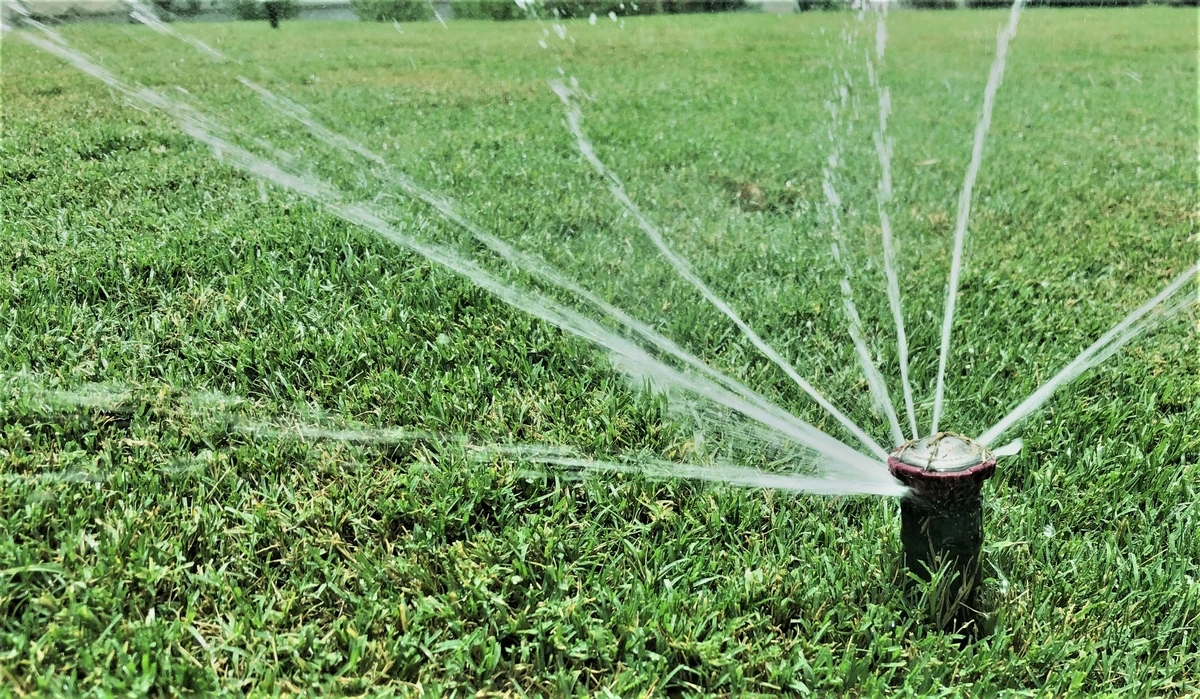
How to Inspect and Verify Your Irrigation Sensors in January
Checking Your Sensor Wiring for Winter Reliability
Homeowners do not need to disassemble a sensor to determine whether it is performing its job. A simple mid-winter check often starts at the controller because many controllers indicate when a sensor is active, confirming whether the irrigation system is “listening.” It also helps to inspect the sensor on a clear day, checking for dirt buildup, spider webs, cracked casing, or a loose mounting point that allows it to shift. Wireless sensors may need a battery check, and wired sensors may need a quick look at the wire connection if the controller is showing errors.
A quality service visit is also about the “why,” not just the quick fix. If a sensor is triggering too often, it may be mounted in a spot that stays wet, like under a roof drip line or too close to a downspout. If it is never triggering, it may be shaded by a tree canopy or blocked by debris, preventing it from detecting the moisture or temperature changes it is designed to detect. In those cases, the goal is not to add new equipment; it is to ensure existing equipment is placed and set up correctly for the yard that is actually there.
Dallas TX, Tune Ups That Keep Sensors Reliable
At a tune-up in Dallas TX, the inspection often starts with how the yard drains and how the irrigation zones are aimed, because winter rain can reveal issues that remain hidden in summer. If the spray is hitting fences, hard surfaces, or foundation areas, a sensor will not resolve that issue, as it only stops irrigation under certain conditions. That is why homeowners who want better performance usually pair sensors with regular checks for coverage, nozzle condition, and zone timing. When the system is working well, a sensor becomes a helpful layer of protection, not a bandage over bigger issues.
For homeowners in Dallas TX, who want to save water without stressing the landscape, sensors can make a noticeable difference in the winter months. They reduce the risk of runoff during rain and help prevent irrigation from running when temperatures are too low. They also support busy households by taking one small task off the weekly list. A homeowner still needs a reasonable winter schedule, but the sensor helps ensure it doesn’t run at the wrong time.

Conclusion
A rain/freeze sensor is not a fancy add-on; it is a practical tool that can stop irrigation during wet and freezing conditions, which is exactly what winter in Dallas likes to deliver. It will not solve every issue, and it still needs to be properly installed and calibrated, but it can prevent waste and reduce the risk of winter-related issues. We at Pro Green Landscape Solutions focus on quality work, local expertise, and water-saving technology that fit real Dallas TX. If your system is behaving unpredictably or you suspect the sensor is not performing as expected, contact us, and we will help you resolve the issue.

"*" indicates required fields

RACHEL, H
C.W.
GEORGE, T.
MARK, A.
SERVICE AREAS
Dallas
Fort Worth
Frisco
Irving
Arlington
Plano
Allen
University Park
Grand Prairie
Richardson
Preston Hollow
Highland Park
Lakewood
Farmers Branch
Balch Springs
Duncanville
Coppell
Grapevine
Vickery Meadow
