 (214) 300-9564
 sales@progreenlandscapesolutions.com

February in North Texas can feel confusing for lawns. One week looks like spring, and the next morning brings another freeze. That back-and-forth is exactly why irrigation valves act up right when homeowners want a clean start. This page explains how to spot irrigation valve problems early, so irrigation system repair is not a surprise once the turf starts greening up in Dallas, TX, and Fort Worth, TX.
Irrigation System Repair: Pre-Spring Valve Checks
Irrigation Clues In The Valve Box After Cold
A valve box tells a story after winter, even when nothing is running yet. If the lid is hard to lift because the soil is swollen, or there is standing water inside, that often points to a valve that did not seal fully or a fitting that cracked during a freeze. North Texas doesn’t stay frozen for long, but temperatures can dip into the 20s during winter, which can still stress pipes and valves. If a homeowner sees muddy water sitting around the valve body, irrigation system repair might be needed before the controller ever turns on for the season.
The wiring inside the box also deserves a careful look. Rodents, ants, and shifting soil can tug connections loose, and a loose wire can make a good valve look “dead” when it is really just not getting power. It is also common in Dallas, TX to find a valve box packed with old leaves and grit that blew in over winter. That debris can work its way into the valve and prevent the diaphragm from sealing, leading to slow, easy-to-miss leaks that go undetected until spring growth begins.
Sprinkler Repair Signs When Zones Misbehave
Valve problems often show up as strange zone behavior during the first test runs. One zone might not come on at all, or it might come on and then refuse to shut off entirely. That second one is a classic reason sprinkler repair gets urgent, because water can keep trickling even when the controller says “off.” A bad solenoid can stick open, causing constant water flow, and it can also show up as low pressure, leaving dry areas behind. When a homeowner sees those clues, irrigation system repair should move from “later” to “now,” because the longer the valve struggles, the more uneven the yard becomes.
It also helps to notice what the yard looks like around the problem zone. If one area stays damp while the rest is dry, it could be a valve that isn’t closing fully, or a small leak near the valve that pushes water upward. If the spray pattern is weak only in one zone, it can still be valve-related, since pressure and flow start at the valve. Sprinkler repair sometimes focuses on heads first, but a tired valve can make even brand-new heads perform poorly.
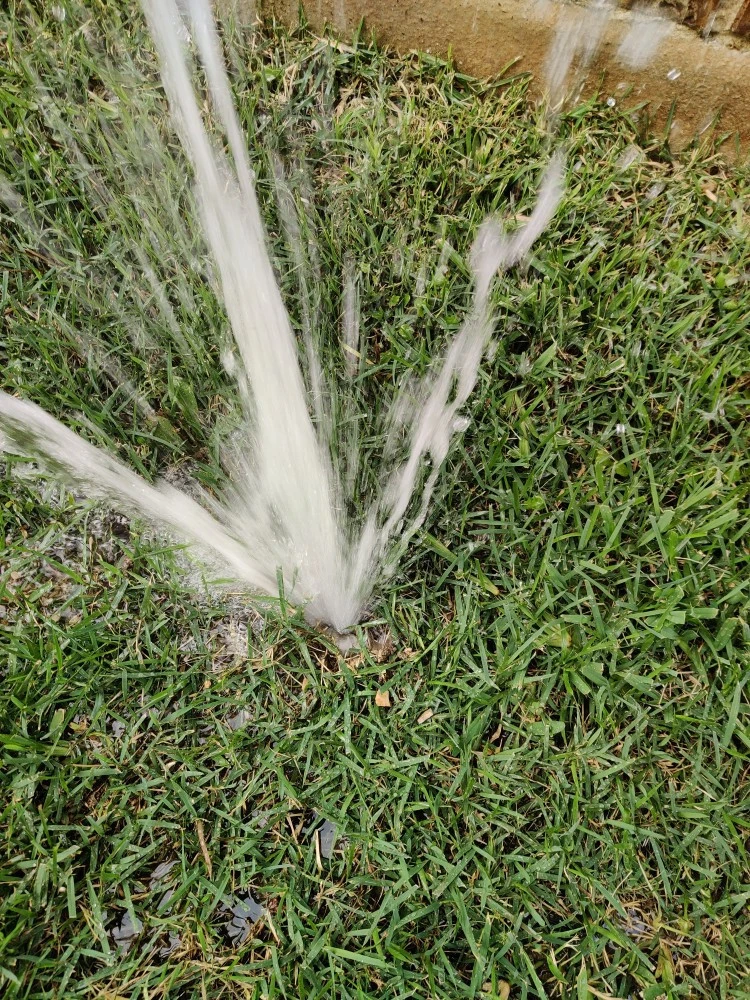
Irrigation System Repair Tests That Reveal Hidden Damage
Irrigation Solenoid Tests Without Digging Up
In February, the safest troubleshooting is light and straightforward, especially if another freeze is possible. One smart move is to test the electrical side of the valve before digging or replacing anything. Solenoids can fail after winter because moisture can get into the coil or the wiring can become strained, preventing the valve from opening or closing as it should. Some valve issues are mechanical, but an electrical problem can look identical from the surface. Testing the solenoid and connections can narrow it down quickly and keep the work targeted.
There is also value in listening and feeling during a short manual test. When a zone turns on, a healthy valve usually makes a clean click, and water flow sounds smooth, not like sputtering or gulping. If the valve chatters or the box vibrates, that can point to a weak solenoid, debris, or pressure issues that need attention before spring growth. Solenoid valves can fail to open or close properly, and sometimes cleaning debris helps, while other times the fix is deeper. In those cases, irrigation system repair is less about guessing and more about confirming what the system is doing under pressure.
Sprinkler Repair Clues From Pressure Changes
Pressure problems are a sneaky way valves show their age. If a zone starts strong and then fades quickly, it can mean the valve is not staying fully open, or that the diaphragm is damaged and fluttering under flow. If multiple zones seem weak, the issue might be upstream, but if only one zone struggles, the valve is a top suspect.
Homeowners can also watch for water movement where it should not be. If water seeps up near the valve box when a zone runs, the valve may be leaking at a fitting, or the box may be catching runoff from a cracked line. If the yard has slopes, water can run and collect in the lowest spot, which can make the problem feel confusing. Sprinkler repair becomes much easier when the test is done zone by zone, with someone walking the area and noting what changes. That approach makes irrigation system repair more accurate because the valve behavior can be matched to what is happening above ground.
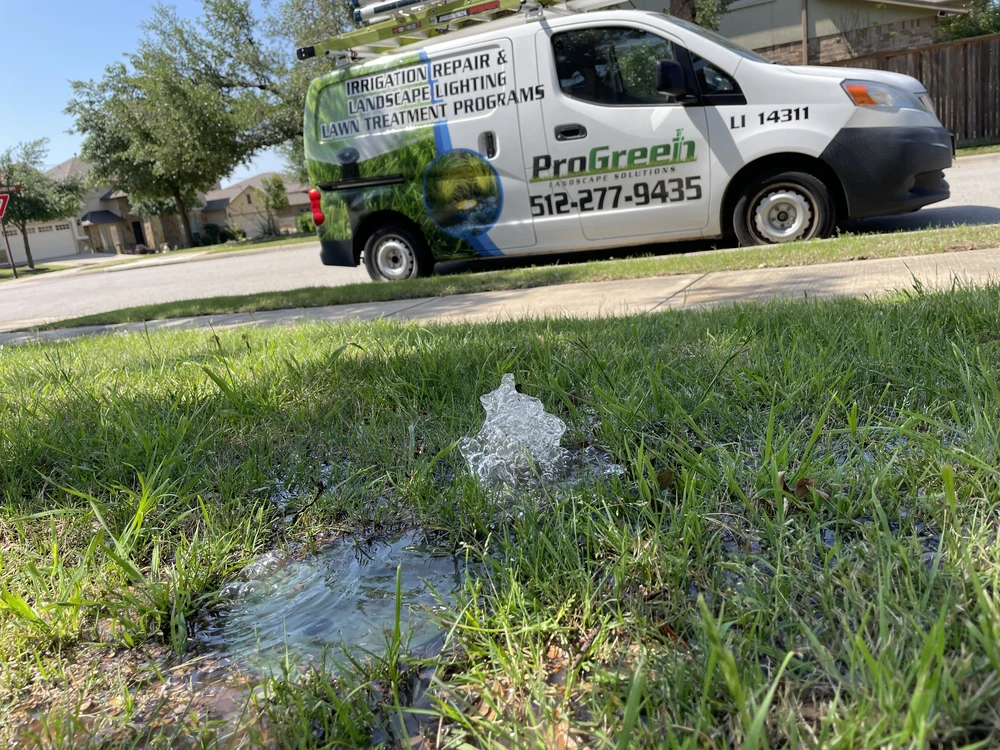
Persistent Valve Issues: Irrigation System Repair Tips
Irrigation Valve Problems That Need A Pro
Some valve issues are simple, and some are the kind that should not be forced. If a valve will not shut off even after the controller is off, water needs to be stopped at the source before anything else. A stuck valve can be caused by grit in the diaphragm, a worn internal seal, or a damaged solenoid plunger and spring that keeps the valve from closing. It is also possible for the manual bleed to be left slightly open or damaged, allowing water to flow when it should not. When these issues arise, the goal is to fix the valve without cracking the body or stripping parts in cold soil.
There is also the bigger concern of hidden freeze damage. Water left in pipes and valves can freeze and expand, and the break may not show until spring pressurizes the system again. If a homeowner has seen repeated valve issues year after year, it is worth checking whether winter shutdown habits are leaving water trapped in low points. That kind of diagnosis is hard to do quickly without experience, and it is where professional irrigation system repair can save both time and wasted water. It is not about making the system perfect in February; it is about preventing a messy first month of spring.
Sprinkler Repair Planning For A Smooth Start
A good plan for spring starts before the grass grows tall enough to hide problems. In Dallas, TX, some systems stay off through the winter months, and many homeowners begin thinking about startup as the weather warms. The innovative approach is to create a short window for sprinkler repairs in late winter, so valve issues can be addressed before watering schedules increase. A homeowner in Fort Worth, TX, who waits until the first hot week often ends up rushing decisions, and rushed sprinkler repair can miss the real cause. Planning early generally keeps irrigation costs under control.
It also helps to think about how valve issues affect the rest of the yard. A valve that sticks can overwater one area and starve another, which creates patchy growth that looks like a lawn problem when it is really a control problem. That patchiness can make mowing rough, can encourage weeds, and can even create slick spots near sidewalks once spring rains pick up. Sprinkler repair becomes part of protecting the whole landscape, because by the time spring growth is visible, the system is already influencing it.
Conclusion
Post-winter valve trouble is common, even in places that do not stay frozen for long. A valve box check, a careful zone test, and attention to pressure changes can reveal problems before spring growth starts showing uneven color. When irrigation system repairs are done early, they usually prevent water waste and avoid rushed sprinkler repairs once warmer weather arrives. At Pro Green Landscape Solutions, we offer tailored solutions for every season, dependable, year-round expertise, and a commitment to excellence. If a system shows signs of valve trouble, contact us, and we will help get it ready for a smoother spring start.


