 (214) 300-9564
 sales@progreenlandscapesolutions.com

Spring watering can feel simple until a yard shows dry patches alongside soggy spots, and the water bill jumps for no good reason. In Dallas, TX, April weather can shift fast, with warm days, sudden storms, and windy afternoons that send spray where it should not go. The good news is that most efficiency problems come from settings, wear, and small damage, not from needing a whole new setup. This guide walks through what homeowners can do to improve irrigation this spring, so keep reading.
Spring Efficiency Checkups for Better Irrigation
Smart Controller Settings That Match Spring Weather
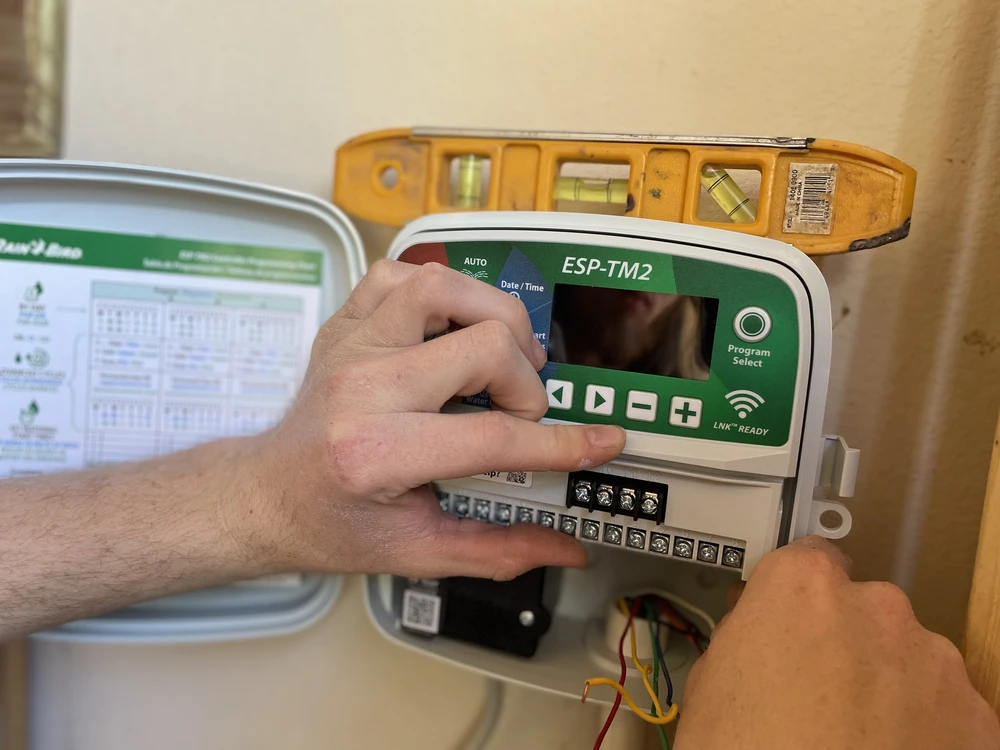
A smart controller can save a surprising amount of water in spring, but only if the schedule still fits what the yard needs right now. Many homeowners keep last summer’s run times, then wonder why the lawn looks stressed after a cool week or a rainy stretch. A smart controller should be updated for April with seasonal adjustments, checked for start times, and ensured that zones are not running back-to-back when the soil cannot absorb it. When irrigation is paced in shorter runs with time to absorb, the yard can look better while using less water. That approach is also easier on heavy soil, which can puddle in spring even when the yard is healthy. It also helps sprinkler repair issues stand out sooner when a zone is not performing the way it should.
Homeowners may be thinking, “If it is smart, shouldn’t it just know?” Sometimes it does, and sometimes it needs a little guidance because sensors, Wi-Fi, and weather stations are not perfect. A smart controller also works best when each zone is labeled correctly, because shrubs, turf, and shaded areas should not be treated the same. When a controller is set up with realistic zone names and run times, irrigation becomes less of a guessing game. This is one reason local expertise matters, since North Texas lawns and beds rarely behave the same way as lawns in cooler regions. In the end, the best efficiency comes from making the controller match the yard, not the other way around.
Irrigation System Repair That Stops Hidden Water Waste
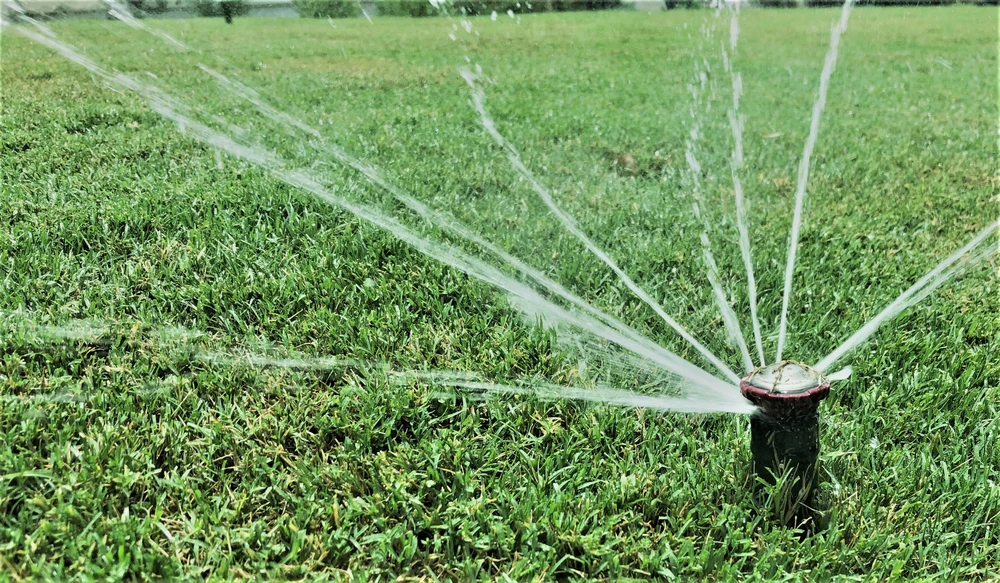
Efficiency often starts with irrigation system repair, because even small leaks can drain water and money for weeks. A cracked head, a split riser, or a nozzle that pops loose can waste far more than people expect, especially when it happens underground. One easy clue is a zone that looks extra green in one spot, or soil that stays damp long after the rest of the lawn dries. Another clue is a spray pattern that seems weaker than before, which could indicate a clogged nozzle or a pressure problem. When irrigation is losing water before it reaches the plants, the schedule is bumped up to compensate, which creates more waste.
A spring irrigation system repair check also helps protect the yard from damage that looks like a brown spot problem. When a head is tilted, it can blast one area and starve another, causing the lawn to grow unevenly and patchily. In Frisco, TX, homeowners often notice this first along sidewalks and driveways where spray hits concrete, and the turf nearby dries out faster. A quick head alignment and nozzle cleaning can improve irrigation coverage without changing the whole routine. Repairs also prevent muddy spots that turn into ruts, especially where people walk from the back door to the patio. When the system is working evenly, watering can be reduced without sacrificing color.
Smart Irrigation Run Times for Dallas Springs
Smart Controller Features That Help Soil Soak In
Spring efficiency is not only about watering less, but it is about watering in a way the soil can actually use. A smart controller can support that with cycle-and-soak scheduling, where irrigation runs in shorter bursts and pauses to allow water to move downward. That method is helpful in April because roots are waking up, and the soil can still be dense from winter conditions. When water is applied too fast, it runs off, and the yard ends up needing more watering later. A smart controller can also limit watering on days with predicted rain, but it should still be checked after storms to ensure it did not skip too much during a warm, drying week.
Another spring issue is timing, because irrigation that runs during windier parts of the day can lose a lot to drift and evaporation. Early morning watering is often the most practical, especially when afternoons get breezy and warm. A smart controller can keep start times consistent, but it should be set so that zones do not overlap in a way that drops pressure. Low pressure leads to poor coverage; homeowners increase runtime, and water use climbs again. This is where irrigation efficiency becomes a chain reaction: a weak link affects the whole yard. If the controller is doing its job, the lawn and beds should look more even with fewer long runs.
Irrigation System Repair That Improves Coverage Fast
Sometimes the schedule is fine, but coverage is not, and that is when irrigation system repair makes the biggest difference. If one zone is misting instead of spraying, it can point to low pressure, a broken head, or a nozzle that is not matched to the rest. Another common spring issue is heads sitting too low after the soil settles, which causes spray to hit the grass and disappear instead of reaching outward. A homeowner can also watch for arcs that are too wide, spraying fences, patios, or the street, because that is wasted irrigation, no matter how smart the timer is. When heads are corrected, the yard often looks better with shorter run times, because water is landing where it should.
It is also worth paying attention to drip zones, if the property has them, because clogged emitters can leave shrubs thirsty while another area floods. That can make landscaping beds look uneven, even when the lawn looks fine. A good approach to repairing an irrigation system includes checking filters, flushing lines when needed, and confirming that each zone delivers water consistently. Problems in a single-valve box can affect multiple zones, which is why a glance at a single broken head is not always enough. In Dallas, TX, spring storms can also shift soil around valve boxes and expose fittings, so it is smart to look closely in April. Once coverage is corrected, the controller can be turned down rather than up.
Better Irrigation Habits to Save Water
Smart Controller Scheduling For Beds, Turf, And Shade
Efficient irrigation is easier when the schedule reflects how different parts of the yard actually use water. Turf in full sun does not need the same timing as shaded grass, and shrubs do not want the same pattern as lawn zones. A smart controller can separate those needs, especially when zones are grouped correctly and run times are not copied across the whole property. This matters in spring because shaded areas may stay damp longer, while sunny spots dry faster after a warm day. When the controller is adjusted to those conditions, the yard looks more even, and water use stays more reasonable.
Outdoor features can also reveal efficiency problems in a very obvious way. If irrigation overspray keeps splattering onto patios, chairs, or fire pits, it indicates the system is watering objects rather than plants. That is not only a waste, but it can also create slick spots and stains where nobody wants them. A smart controller cannot correct overspray on its own, but it can reduce the time the system runs while repairs are underway. It is also helpful for homeowners who want their landscaping beds watered without soaking the surrounding hard surfaces. When water stays in the planting areas, the yard feels cleaner and easier to enjoy.
Irrigation System Repair That Protects Outdoor Surfaces
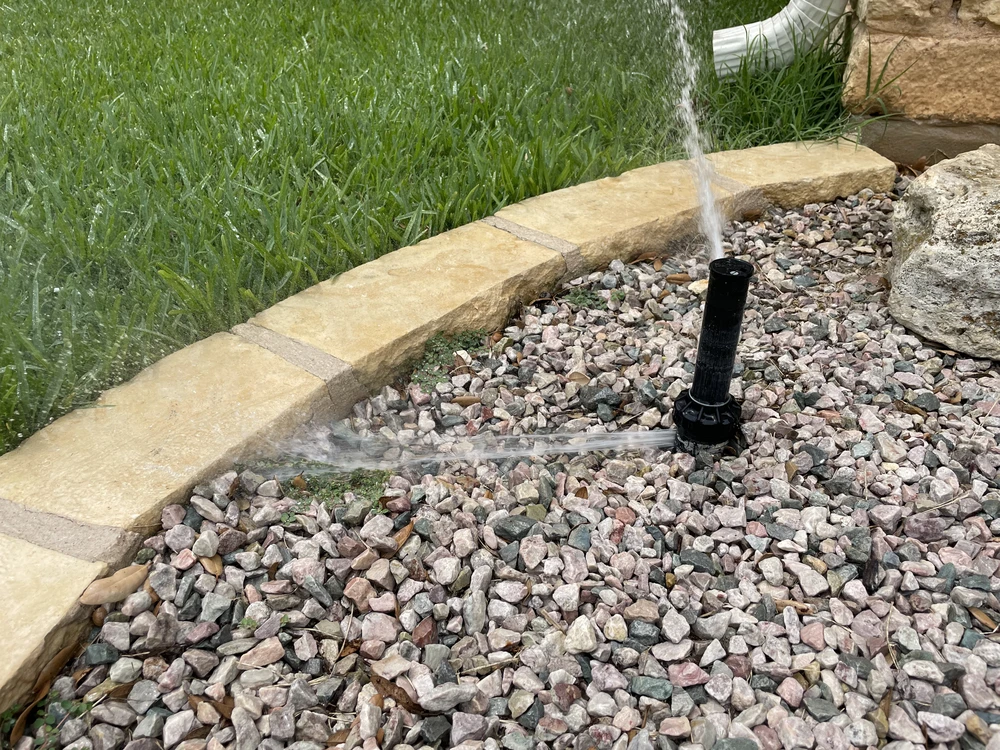
A lot of efficiency work comes down to stopping water from landing where it does damage. Irrigation system repair can correct heads that are angled incorrectly, nozzles that throw too far, or zones that have uneven pressure. When overspray hits patios and walkways, it is often because the head arc is too wide, the head is tilted, or the wrong nozzle was placed on that zone during an earlier repair. Those issues are fixable, and they can reduce water use without changing how the yard looks. They also protect outdoor surfaces from constant wetting, which can encourage algae and make spring cleanup feel never-ending.
It is also smart to watch for water that bubbles up near heads or along the lawn edge, because that can hint at a cracked fitting underground. That kind of problem can stay hidden until a section of landscaping starts sinking or the lawn turns into a muddy strip. A thorough check of the irrigation system helps catch those problems early, before they spread and before the bill spikes again. In Frisco, TX, many yards have a mix of turf and beds, so efficiency depends on keeping each zone clean and directed. Repairs that focus on accuracy, not only on getting it to run, tend to last longer and save more water over the season. When irrigation is aimed correctly, the whole yard benefits, including the outdoor areas people want to use most.
Conclusion
Making irrigation more efficient in the spring usually comes down to better settings, better coverage, and catching small damage before it turns into a bigger issue. A few smart controller adjustments and the right irrigation system repairs can help a yard look even better while using less water in April. We at Pro Green Landscape Solutions bring local understanding, comprehensive, quality-focused service, and water-saving technologies that fit real North Texas conditions. If the system is running but results feel inconsistent, contact us, and we will help get it dialed in for the season.


