 (214) 300-9564
 sales@progreenlandscapesolutions.com

Have you ever noticed that most of the yard looks fine, but one section suddenly starts turning brown when the heat arrives? That can be frustrating, especially when the irrigation system seems to be still running on schedule. For homeowners in Dallas, TX, one weak spot can show up quickly as June temperatures put more pressure on the lawn. This blog will explain why one irrigation zone may stop working properly, which repair checks matter most, and why prompt attention can help protect the rest of the yard.
Why Irrigation Problems Show Up Harder In Dallas Summer Heat
Irrigation System Repair Starts With One Zone
One weak irrigation zone may not seem like a big problem at first. The controller still turns on, water still runs somewhere, and the rest of the lawn may look decent for a while. But June heat has a way of exposing every weak spot in a system. If one zone has low pressure, stuck heads, a valve problem, or a wiring issue, that area can dry out faster than a homeowner expects. That is why irrigation system repair should start with the exact zone that is acting different from the others.
A lawn in Frisco, TX, can look green one week and stressed the next if one zone is not getting enough water. The issue may not be the weather alone, even though the heat makes it more obvious. Sometimes the zone has been weak for months, but cooler weather hid the symptoms. When the days get hotter, the grass needs better coverage and more consistent watering. Irrigation system repair helps determine whether the problem is due to pressure, parts, timing, or a mix of these factors.
Sprinkler Repair for Weak Yard Coverage
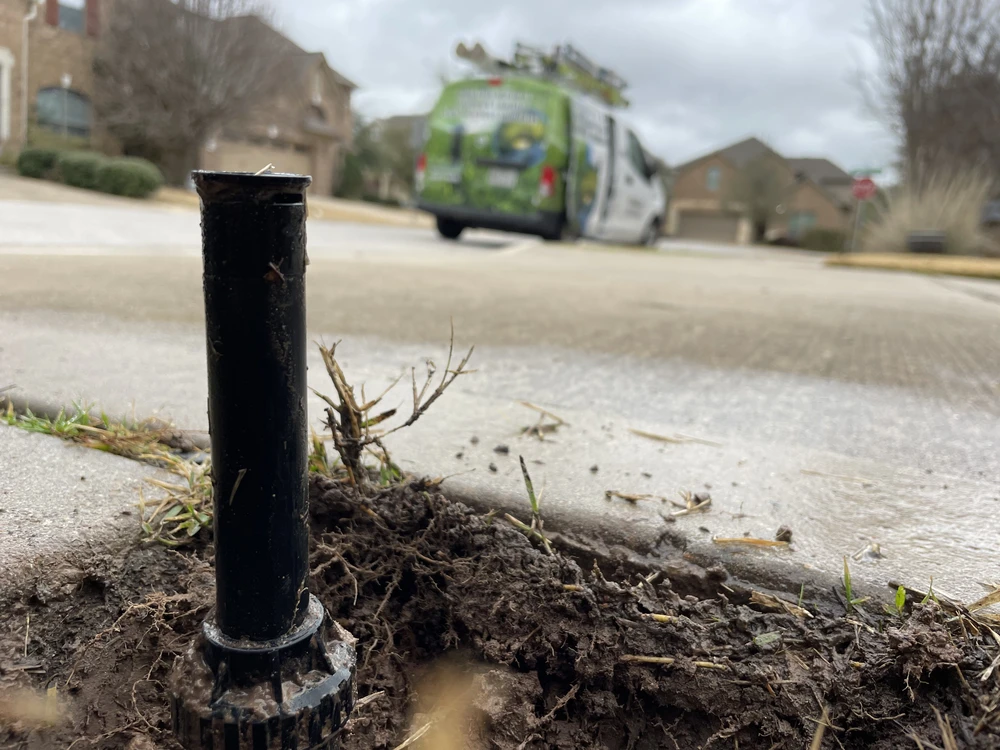
Coverage problems often show up as dry strips, half-circles, or patches near sidewalks and driveways. These hot edges dry faster because concrete and pavement hold heat during the day. If a sprinkler head is tilted, clogged, sunken, or blocked by thick turf, one section may not receive enough water even though the zone is running. This is where sprinkler repair can make a clear difference. A small head problem can turn into a large brown patch when the weather stays hot.
The tricky part is that homeowners may think the zone needs more runtime when the real issue is uneven coverage. Running a weak zone longer can waste water and still miss the dry area. If water is spraying the street, hitting a fence, or misting in the wind, extra minutes may not help much. Drainage can also play a part if one part of the yard stays wet while another part stays dry. A proper irrigation check looks at how the water lands, not just how long the controller is set to run.
How Irrigation Checks Find the Real Problem
Sprinkler Repair Checks For Dry Areas
Sprinkler repair usually starts with watching the zone run. That sounds simple, but it tells a lot. A trained eye can notice heads that do not fully pop up, blocked spray patterns, pressure that drops halfway through the zone, or water that bubbles near the ground instead of spraying out. If one head is broken, the rest of the zone may lose pressure. That can make the whole area look like it has a bigger problem than it really does.
In Dallas, TX, summer watering problems can become costly if ignored for too long. Dry grass may need more than just water once it begins to thin, and soil can become harder after repeated heat stress. Sprinkler repair can help correct the small parts that keep a zone from doing its job. It may involve cleaning nozzles, adjusting spray direction, raising heads, replacing damaged pieces, or finding why the pressure is uneven. The goal is not to guess, but to get the water back where the lawn actually needs it.
Irrigation System Repair for Valves and Wires
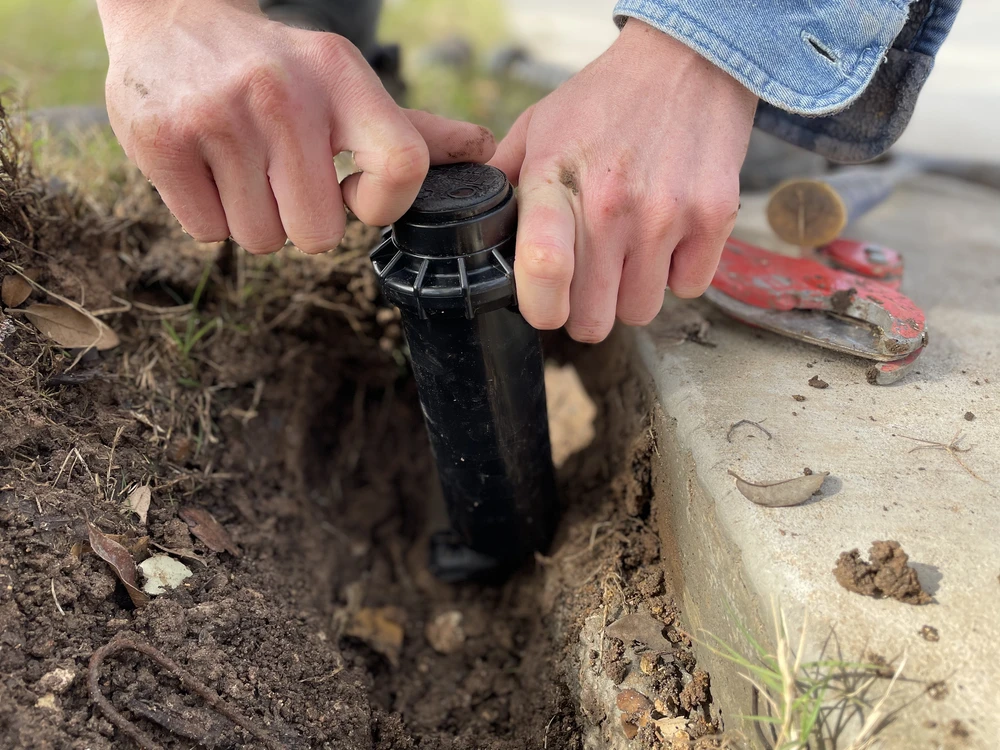
Sometimes the issue is not above ground at all. A zone valve can fail, stick, open only partially, or stop responding to the controller. Wiring can also cause problems, especially when a zone works sometimes but not every time. If a valve does not open fully, the zone may run at low pressure. If the electrical signal is inconsistent, the zone may skip watering even though the schedule looks correct.
This is where irrigation system repair becomes more than swapping out a sprinkler head. A careful repair check can verify whether the controller is sending the correct signal and whether the valve is responding correctly. The technician may also look for signs of a leak, since a hidden break can lower pressure before water ever reaches the heads. This matters in hot weather because a weak zone can stress the grass before the homeowner notices. Irrigation should feel dependable, not like a guessing game every time the weather gets hotter.
Proper Irrigation Care Before Damage Spreads
Sprinkler Repair Saves Summer Water
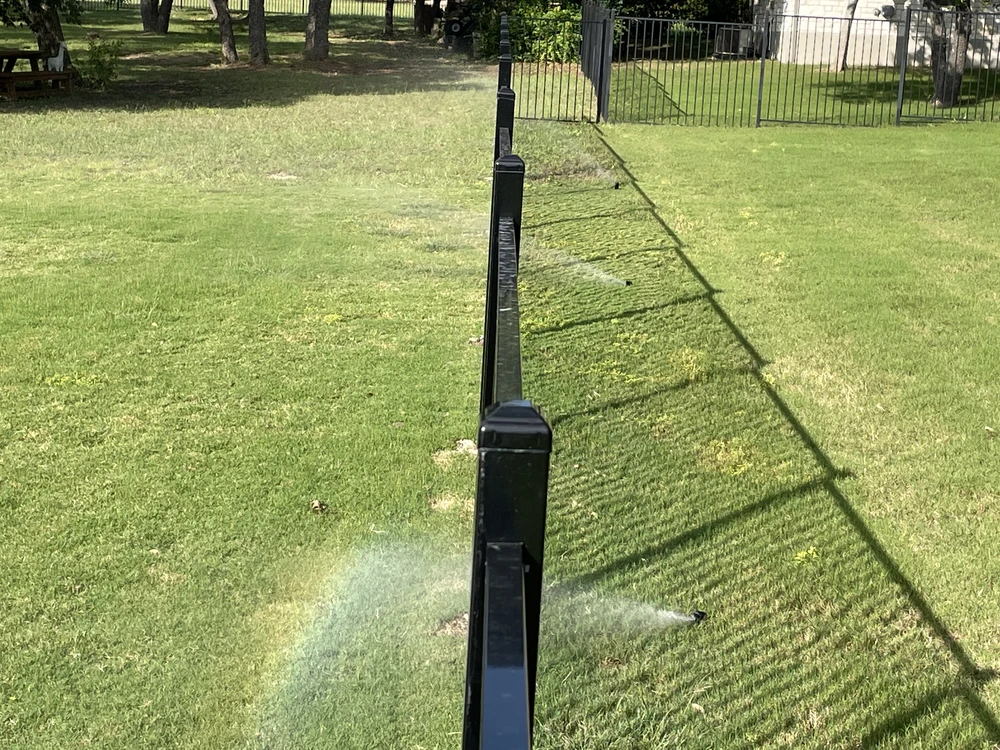
Sprinkler repair can help save water because the system does not have to run as long to compensate for poor coverage. A broken head, clogged nozzle, or tilted spray can waste a surprising amount of water in a short time. If a zone is spraying onto a driveway or sidewalk, that water is not helping the lawn. If the mist drifts away before it reaches the grass, the zone may be running but still failing. Fixing those problems helps the system work more effectively.
For Frisco, TX homeowners, water-saving technology can also help make irrigation easier to manage during summer. Smart controllers, rain sensors, pressure regulation, and efficient nozzles can support better watering without overdoing it. These tools are not a repair replacement, though. If one zone has a faulty valve or a broken head, technology will not fully resolve the issue until the underlying problem is corrected. That is why irrigation system repair and water-saving upgrades should work together when the yard needs both.
Timing After Irrigation System Repair
Timing can make a big difference when one zone starts struggling. Watering during the cooler part of the morning is usually better than watering during the hottest part of the day. Midday watering can lose more water to heat and wind, and evening watering may leave grass wet for too long in some conditions. If the schedule is incorrect, the irrigation system may be running but still not adequately support the lawn. The right timing helps the grass use water more efficiently.
Lawn mowing also connects to irrigation because grass that is cut too short can dry faster during summer heat. If a weak zone is already stressing the lawn, scalping the grass can make the dry patch look worse. The goal is to support the turf from both sides: better watering from the system and better care from regular maintenance. Irrigation problems are not always dramatic at first, but they can spread when heat, short mowing, and poor coverage coincide. Fixing the zone early gives the grass a better chance to recover before summer gets more demanding.
Conclusion
One irrigation zone that stops working right can create a lot of stress once the June heat arrives. The cause may be a head issue, a valve problem, a wiring concern, a pressure drop, bad coverage, or a schedule that no longer fits the weather. At Pro Green Landscape Solutions, we bring local expertise, quality-focused service, and water-saving repair options to help your system work better while reducing water waste. We understand how tough summer can be on lawns, and we take the time to identify the real issue rather than guess. Contact us today if one zone is falling behind and your yard needs a closer look.


