 (214) 300-9564
 sales@progreenlandscapesolutions.com

Has one part of the yard stopped getting water even though the sprinkler controller seems to be working? It can be confusing when the front lawn runs its usual cycle, but the side-yard station never starts, and the grass along the fence begins to fade. Before calling for irrigation repair, homeowners can make a few safe checks to help determine whether the problem is in the schedule or beyond the timer. This blog will walk through what to notice, what not to touch, and when a professional should take over.
Why Irrigation Repair Begins By Checking What The Controller Says
How Sprinkler Repair Checks the Timer Display
The first useful clue is whether the other stations still operate normally. In Fort Worth, TX, a homeowner may notice dry grass beside a fence while sprinklers near the front sidewalk run on schedule after several mild November afternoons. That difference helps separate one failed zone from a problem affecting the entire system. If every zone is off, the issue could be the water supply, controller power, or a weather sensor. Irrigation repair starts with identifying exactly which area is failing, not assuming a broken sprinkler head is to blame.
The controller display can tell more of the story without anyone opening an electrical compartment. Homeowners can find the dry area’s station number and check whether it has a watering time assigned. If the model supports a manual station run, a brief test during an allowed watering period, following the manufacturer’s instructions, may show whether the station responds. A controller that says the zone is running while no water appears points toward a different problem than one that never starts the station. Those are useful observations to share when requesting sprinkler repair.
How Irrigation Timers Hide A Missing Run Time
Sometimes a station stops automatically because its programmed run time was accidentally changed to zero. A recent power interruption, an incorrect day setting, or a skipped program can also make a functioning zone seem broken. In Dallas, TX, this can happen after someone adjusts the fall watering schedule and overlooks a station that serves a narrow strip of grass. Comparing that station’s programmed run time with the working ones, without changing the other programs, may reveal an obvious difference. Not every irrigation repair call needs a new part when an incorrect setting is the real issue.
You may also be wondering whether a rain sensor can prevent just one part of the yard from watering. Many weather sensors stop or delay an entire program, so they are less likely to explain a single dead station when other stations run normally. However, some controllers offer station-specific sensor settings, and the screen may display a rain delay or sensor message worth checking. Homeowners should not override a sensor simply to force watering during rain or freezing weather. An irrigation repair professional can use the controller’s reports to avoid unnecessary digging or guesswork.
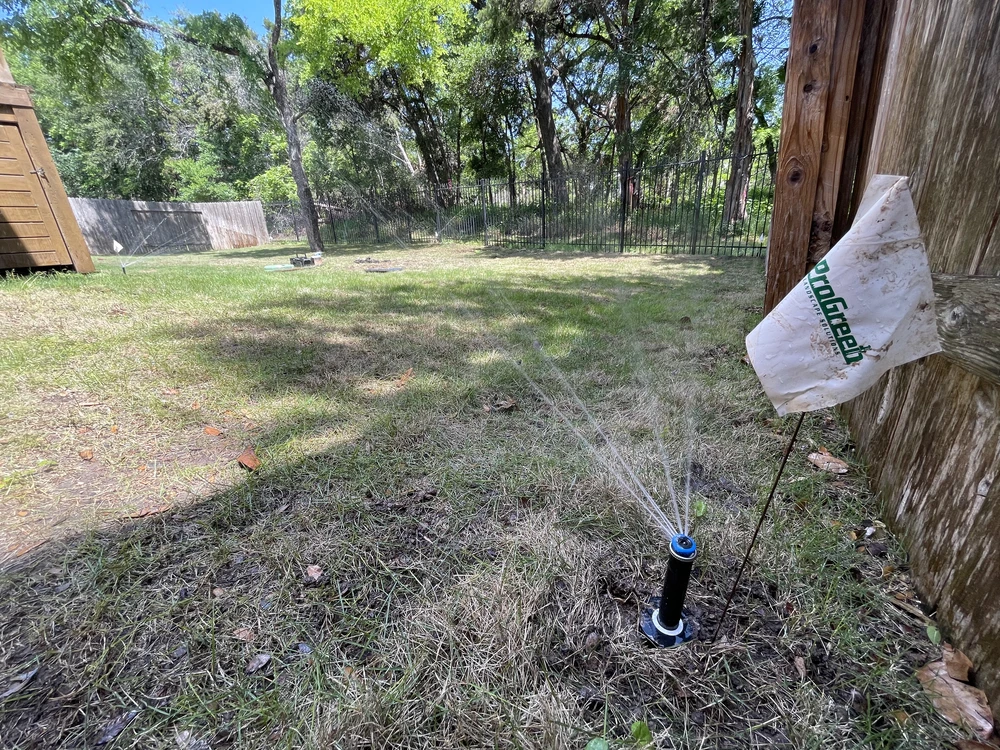
How Irrigation Repair Tells A Broken Wire From A Stuck Zone Valve
How Sprinkler Repair Checks the Valve Circuit
What happens when the screen displays a running station but the grass stays completely dry? A controller sends a low-voltage signal to the electric valve that controls water entering that zone. The valve may fail to open if the signal never arrives or if an internal part isn’t working, even when the sprinkler heads are fine. In Fort Worth, TX, a station that stops after yard edging or fence work might have a damaged underground wire. Proper irrigation tests that connection before blaming the controller or buying parts that may not be needed.
The small electrical component on an irrigation valve is called a solenoid, and it opens the valve when the controller calls for water. If it fails, the controller can look normal while the sprinklers remain off. Damaged wiring or a corroded connection inside a wet valve box can cause similar symptoms, which is why an inspection matters. Before irrigation repair begins, a licensed technician can measure the controller output and valve circuit to determine where the signal stops. That is more reliable than attempting sprinkler repair by changing parts until one happens to work.
How Irrigation Wiring Can Disable One Station
It is tempting to open the valve box and twist something to see whether water appears. But an unfamiliar valve can release water unexpectedly, and damaged wires should not be handled while the controller is energized. Instead, homeowners can check whether the area around the existing valve box is wet or whether the lid looks damaged, without disturbing anything inside. In Dallas, TX, recent landscaping work or digging along a property line can also be worth mentioning to the repair technician. Those details may help an irrigation repair professional find a damaged wire or connection more quickly.
A valve problem isn’t always electrical, either. Dirt inside a valve, a damaged diaphragm, or a local water supply restriction can prevent water from reaching one station. When several stations fail together, a shared wire or shutoff issue becomes more likely than separate broken sprinkler heads. A professional sprinkler repair can compare the valve’s manual and electrical operation and check supply conditions before deciding what to repair. The point is to identify the source of the failure, not assume that the first dry spot tells the whole story.
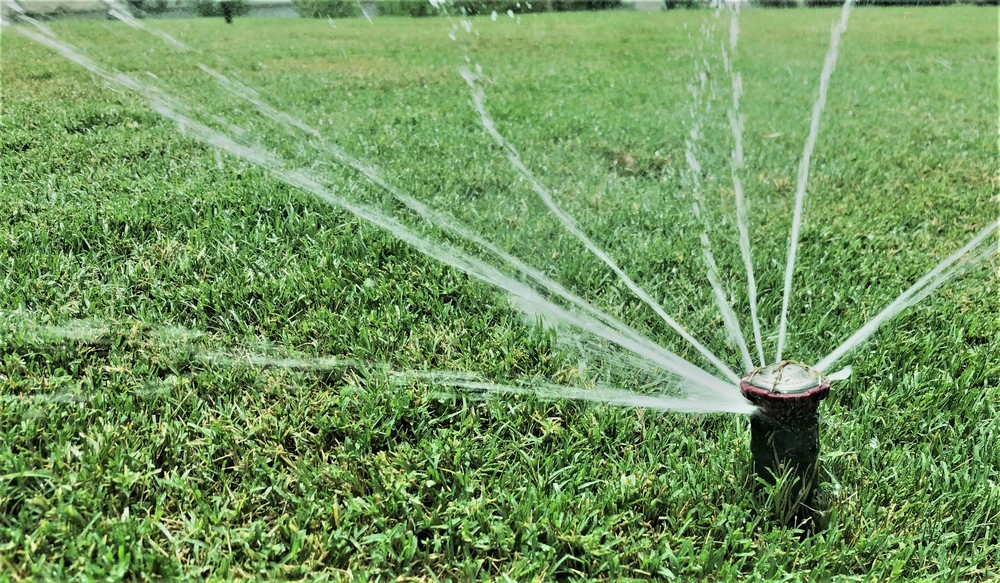
Why Irrigation Repair Should Include November Water-Saving Checks
How Sprinkler Repair Helps Limit Wasted Water
When a zone stops, some homeowners try running the remaining stations longer to compensate. But watering another part of the yard won’t reach grass served by the failed valve, and it may overwater those other areas. A short, properly scheduled test is more useful than running multiple cycles while looking for a response. Fort Worth has year-round sprinkler rules, including assigned watering days, restrictions on daytime watering, and no watering during rain. Good irrigation repair should respect those limits while restoring the affected area.
A helpful service visit begins with a clear description of what happened and when it started. The technician may need the station number, any error message, and whether the problem appeared after a storm or yard work. During irrigation repair, modern testing equipment can identify an electrical fault without replacing a functioning controller, and a valve inspection can reveal a mechanical problem instead. Sprinkler repair should then address the failed component and confirm the zone operates as expected when the work is finished. This kind of targeted service also reduces unnecessary water use and helps protect nearby landscaping from repeated test cycles.
How Irrigation Tests Fit Local Watering Rules
November makes water conservation part of the decision because North Texas lawns often use less moisture as temperatures cool. A failed zone should still be checked, but repairing it does not mean restoring the full summer watering program. The grass may be slowing down, and recent rainfall can leave enough moisture in the soil to skip a scheduled cycle. A weather-aware irrigation controller can help adjust watering, provided its settings and sensors work correctly. That balance protects the lawn without treating every dry-looking patch as a reason to use more water.
Cold fronts also change when testing is appropriate. Spraying water onto a driveway during freezing conditions can create ice, and repeated tests offer little benefit when the ground is already wet. Homeowners can take a photo of the controller message, note the affected zone, and describe whether other stations work before arranging an inspection when weather allows safe operation. In Texas, irrigation system repairs and professional inspections are regulated work that should be handled by properly licensed personnel. These steps make irrigation repair more straightforward and reduce the risk of further damage or unnecessary water waste.
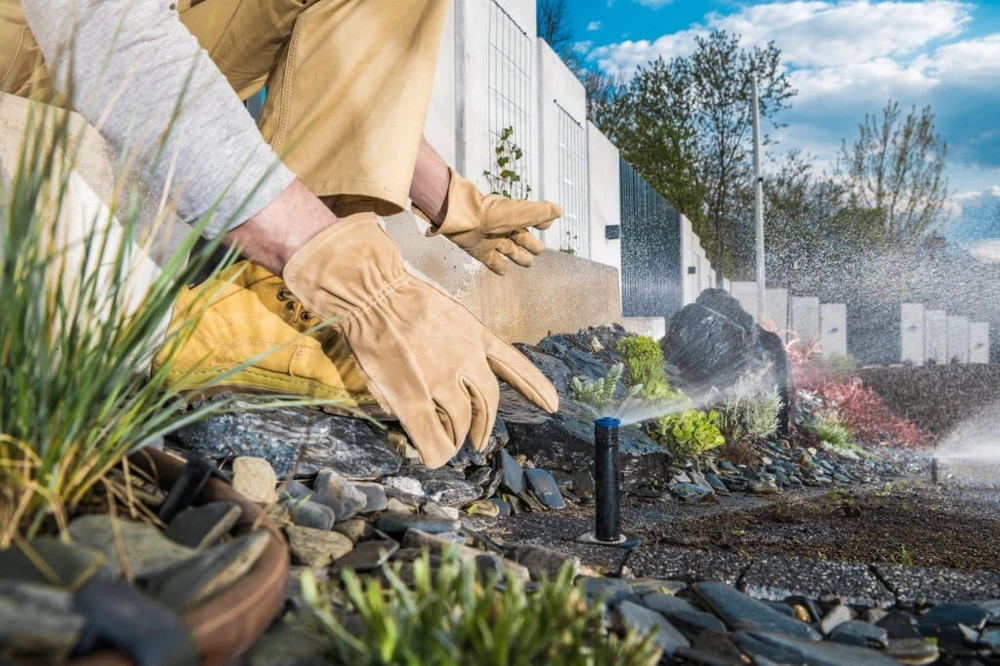
Conclusion
When only one zone will not turn on, start with the controller and a clear description of what the sprinklers are doing. At Pro Green Landscape Solutions, we use our local knowledge to help customers understand the problem instead of recommending unnecessary work. We focus on quality service, thorough irrigation repair, and innovative water-saving technology that helps homeowners use their existing systems more efficiently. If a station has stopped working and the cause is unclear, contact us to discuss the repair and the next sensible step for your yard.


