 (214) 300-9564
 sales@progreenlandscapesolutions.com

A lawn can still look green in October while needing much less water than it did in July, and that is where many homeowners get caught. The sprinkler controller may still be following summer settings even though cooler nights, shorter days, and changing rainfall are already affecting how quickly the soil dries. In North Texas, fall does not always arrive all at once, so the watering schedule has to respond to the yard instead of waiting for the first hard freeze. A few careful changes now can help homeowners use water more wisely and head into winter with fewer surprises.
Why a Sprinkler Controller Needs a Fall Reset Before Cold Weather
Irrigation System Repair Finds Hidden Trouble
A summer watering program can become too much once October weather starts changing. Grass may still be growing, but it usually uses water differently as temperatures drop and daylight shortens. In Dallas, TX, a warm week can make the lawn look like summer is hanging around, then a cooler front can change soil moisture within a few days. Review the sprinkler controller before those swings become more common. Leaving every zone on the same summer run time can keep some areas wetter than they need. That extra moisture may not look serious at first, but soft soil, runoff, and soggy corners can signal the schedule no longer matches the season.
This is also a good time to watch how each zone behaves, not just what the display shows. Irrigation system repair can uncover a valve that closes slowly, a zone that runs longer than expected, or wiring trouble that makes the schedule unreliable. A controller can show the correct start time while the yard tells a different story. That is why checking spray patterns, wet spots, and shutoff behavior matters before colder weather arrives. If one zone acts strangely, you may need sprinkler repair before programming changes help. Seasonal settings work best when the equipment responds as the controller expects.
Irrigation Schedules Still Need Attention
Homeowners sometimes reduce irrigation minutes but forget to check which days are still active. That can cause a sprinkler controller to run more often than the lawn needs, especially after rain. Local watering rules also matter, so the schedule should fit the property address and current restrictions rather than being copied from an old summer program. October is a practical time to review those controller settings as cooler conditions can lower landscape demand. The point is not to shut water off just because the calendar says fall. It is to stop watering as if the yard is still facing peak summer heat.
A similar issue can show up across North Texas when a homeowner has not opened the controller since the hottest part of the year. The lawn may be getting extra cycles simply because nobody changed the program after summer. A practical adjustment looks at soil moisture, recent rain, plant needs, and how quickly each part of the yard dries. Irrigation system repair may also be worth considering if the controller skips days, starts at the wrong time, or refuses to save a new schedule. Those problems can look like bad programming when the real issue is electrical or mechanical. Fixing that first makes the seasonal schedule much easier to trust.
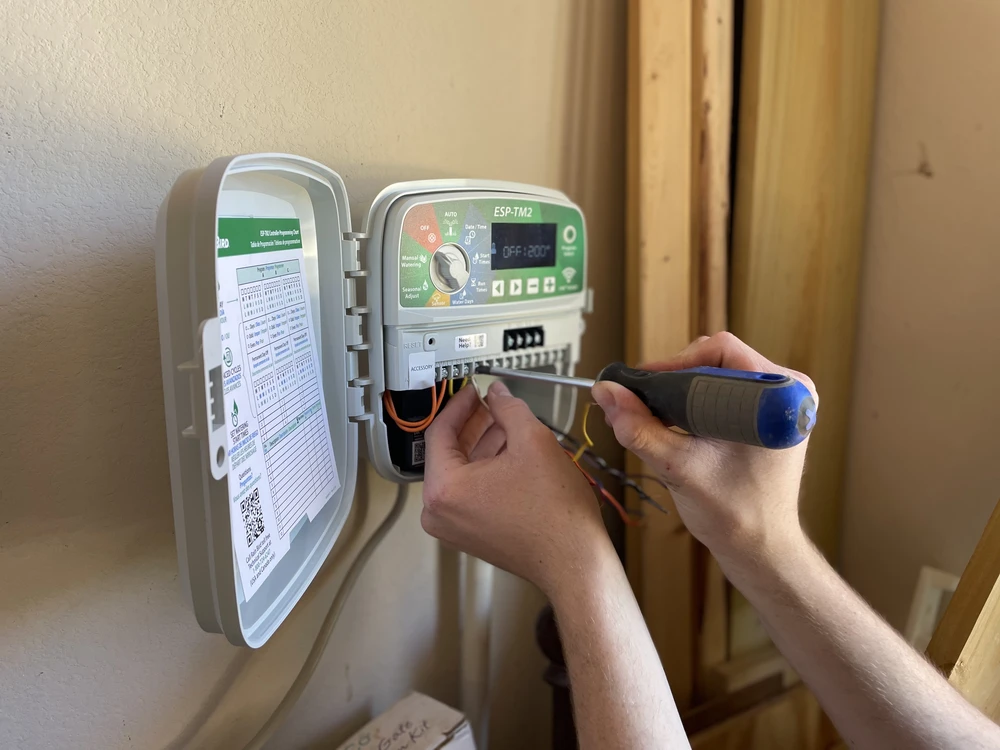
How a Sprinkler Controller Should Respond to Cooler Fall Weather
Shorter Irrigation Run Times Protect Lawns
October is not January, so most lawns are not finished with active growth. That is why the best change is usually a condition-based reduction, not an abrupt stop that ignores a dry week. A sprinkler controller with a seasonal adjustment feature can make this easier by reducing run times across programmed zones without rebuilding the whole schedule. For homeowners using weather-aware technology, the controller may also respond to temperature, rain, or local weather data. Those features can save water, but you still need to check the settings to make sure they fit the property. Technology helps most when somebody understands what the lawn is showing outside.
Soil can tell a homeowner a lot. If footprints remain in the grass or the lawn shows signs of moisture stress, it may still need water even during a cooler stretch. If the ground stays damp for days, the existing schedule may be too generous. In Fort Worth, TX, clay-heavy soil can also hold water differently than sandy or amended soil, so one run time doesn’t suit every part of a property. A sprinkler controller should account for those differences through zone timing instead of giving every area equal minutes. This is where local experience matters, because a shaded side yard and an open sunny lawn rarely dry at the same speed.
Irrigation System Repair For Rain Sensors
A rain sensor is easy to forget because it sits in the background until weather changes. Yet fall is exactly when its response becomes more noticeable, especially when rainfall arrives between scheduled watering days. If the sensor does not stop a scheduled cycle, the sprinkler controller may water ground that is already wet. That wastes water and can create puddling around low areas or along curbs. Irrigation system repair can determine whether a sensor problem comes from wiring, settings, damage, or communication with the controller. The homeowner gets better results when the system reacts to rain instead of mindlessly following the schedule.
Freeze sensing deserves attention before winter as well, but that doesn’t mean waiting until freezing weather is already in the forecast. You can review controller settings, sensor status, and active programs while conditions are still mild. A sprinkler repair visit in October can catch problems that would be inconvenient to discover during a sudden cold front. Also check the controller’s date, time, and seasonal program after power interruptions or manual changes. Something as simple as the wrong clock setting can cause watering at an unexpected hour. Catching those details early makes the transition into colder weather much less frustrating.
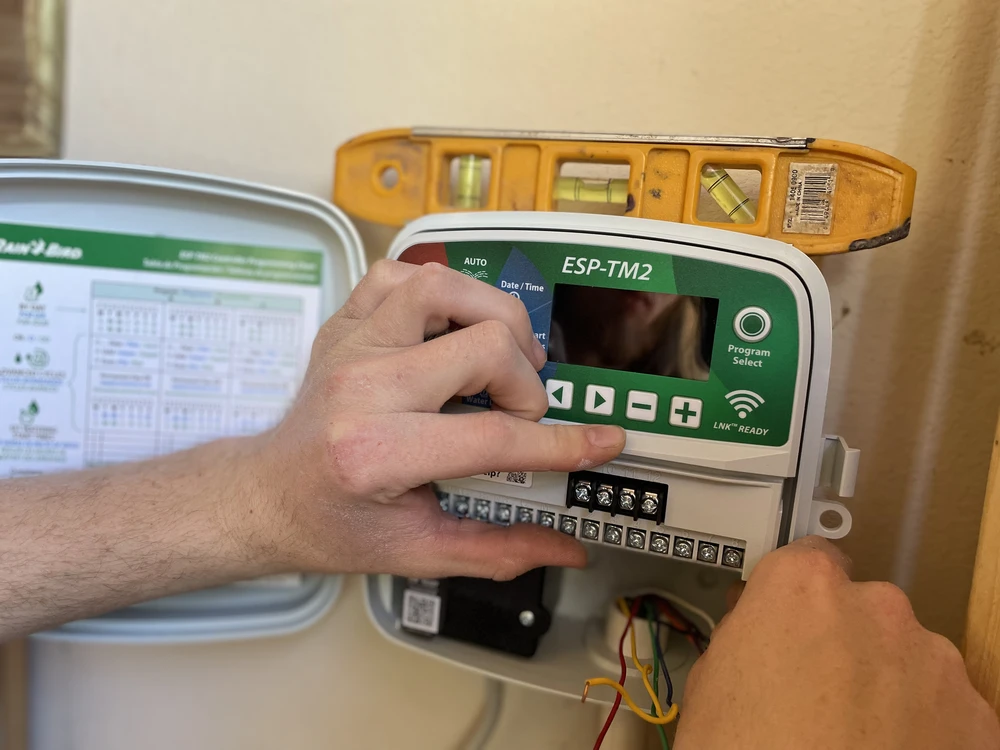
Where a Sprinkler Controller Helps Reduce Unneeded Fall Watering
Timing Trouble Can Hide in Old Programs
Some watering problems are easy to blame on the lawn, but they often start at the controller. A zone may start twice because two programs overlap, or an old program may still be active from earlier in the year. A sprinkler controller can also save several start times when the homeowner intended only one. That kind of mistake can double the amount of water going onto a section without looking obvious from the front panel. Irrigation system repair can trace the schedule, confirm which programs are active, and check whether each zone starts and stops correctly. Once the timing is cleaned up, seasonal adjustments become much more useful.
This matters in Dallas, TX because fall weather can make overwatering less obvious than it was in summer. A lawn may not wilt, but that doesn’t mean more water helps. Extra moisture can sit longer in shaded soil, collect near drainage trouble, or run onto pavement when the ground cannot absorb another cycle. Program a sprinkler controller around what the property can actually use. Homeowners who notice repeated runoff or one zone that always looks wetter should not assume the answer is simply fewer minutes everywhere. Sometimes you need sprinkler repair to fix a head, valve, or control issue before you can balance the schedule properly.
Zone Timing Should Match Cooler Weather
Different zones often serve different plants and different exposures. A sunny lawn, foundation bed, shaded side yard, and mature shrubs may all have their own watering needs by October. The sprinkler controller should reflect those differences instead of treating the property like one large patch of grass. This is where water-saving technology can be genuinely useful, especially when seasonal percentages, weather response, and separate zone programs are set correctly. It also gives homeowners more control over where water is going rather than cutting every zone by the same amount. The result can be less waste without leaving the landscape thirsty.
In Fort Worth, TX, a yard with mature landscaping may need only small scheduling changes,s while an exposed lawn area reacts more quickly to dry fall weather. Irrigation system repair can help when a zone will not follow those changes or keeps reverting to an older program. A reliable service visit can also check whether controller settings match what is happening at the heads and valves outside. The sprinkler controller is only the command center, so every command still has to reach working equipment. When the programming and the physical system agree, homeowners can reduce unnecessary watering with much more confidence. That is a better way to prepare for winter than leaving summer settings untouched until cold weather forces a change.
Conclusion
Before winter, the goal is not to guess how little water a lawn can survive on. It is to make sure the sprinkler controller reflects cooler weather, changing soil moisture, working sensors, and each zone’s actual needs. At Pro Green Landscape Solutions, we bring local expertise, careful service, and water-saving technology together so homeowners can make seasonal changes without wasting water or overlooking system problems. We focus on quality work and reliable guidance, especially when a controller or watering issue needs more than a simple schedule change. Contact us to have the system checked and get the yard ready for the colder months ahead.


