 (214) 300-9564
 sales@progreenlandscapesolutions.com

Fix It Fast with DIY Irrigation Repair Tips Every Homeowner Should Know
Introduction: When your lawn starts showing dry patches or you hear the hiss of water where it shouldn’t be, chances are you’re dealing with an irrigation issue. While professional help is always available, many common irrigation repairs can be handled on your own, with the right knowledge. Knowing how to quickly address minor problems like leaky valves, broken sprinkler heads, or poor water pressure can save you time, money, and your landscape. With a little guidance and a few tools, homeowners can take control of their irrigation systems and avoid larger issues down the road.
Common Irrigation Problems and How to Fix Them
Leaky Valves and Fittings
Leaks are one of the most frequent issues in irrigation systems. They often occur at joints, valves, or connection points due to wear, pressure buildup, or temperature changes. First, locate the source of the leak while the system is running. If it’s around a fitting, shut off the water, loosen the connection, apply plumber’s tape or pipe sealant, and tighten it back into place. For stubborn leaks or cracked parts, replace the damaged section entirely. It’s important to double-check that all fittings are compatible and secure to prevent repeat issues.
Broken or Misaligned Sprinkler Heads
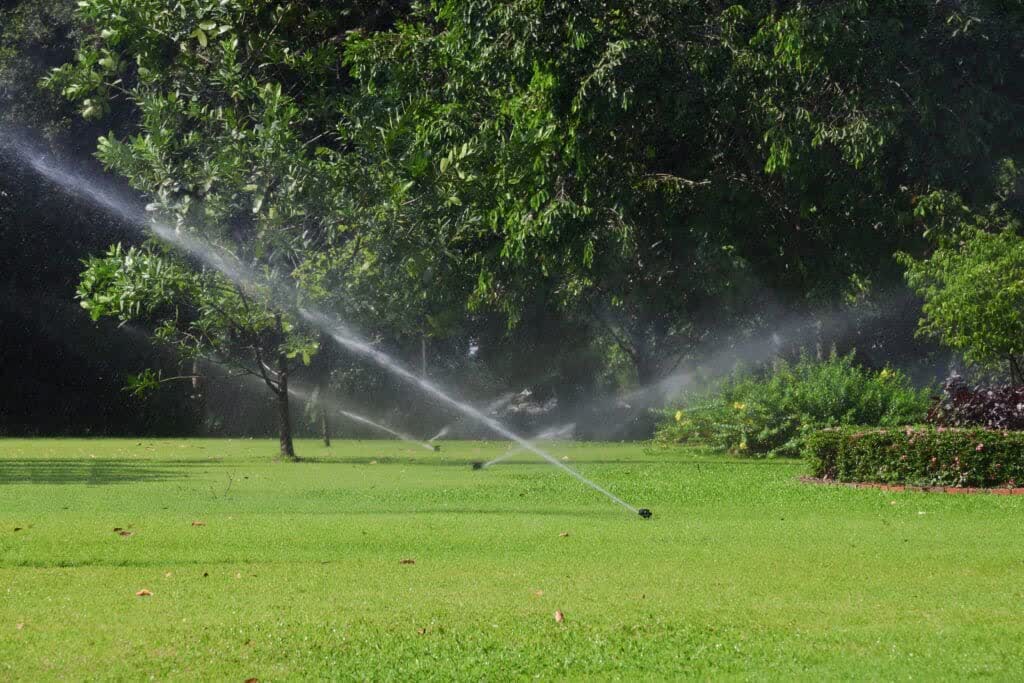
A damaged or tilted sprinkler head can cause uneven watering and waste significant amounts of water. If a head is not popping up, it may be clogged with debris or grass clippings. Unscrew the head and rinse it under water. For broken heads, simply unscrew the damaged unit and replace it with a matching model. Ensure it’s set at the correct height and orientation. Once installed, turn on the zone to verify proper spray coverage.
Diagnosing Low Water Pressure and Dry Zones
Finding the Root Cause
Low water pressure or dry spots may be caused by blockages in the line, a damaged pipe, or too many heads on one zone. Begin by isolating the issue—turn off all zones and run one at a time. Look for signs of bubbling water or pooling, which can indicate underground leaks. If only one sprinkler seems weak, it might just be clogged or require adjustment. In cases of widespread pressure problems, check the backflow device and water source connection.
Unclogging Lines and Adjusting Flow
To flush the system, remove the last sprinkler head on the line and run the water for a few minutes to clear debris. Reinstall the head, then adjust the nozzles to make sure they’re open and spraying efficiently. If you find the pressure is still low, consider replacing older sprinkler heads with more efficient models that use less water while covering the same area. Pressure regulators and smart controllers can also help manage flow better across your zones.
Preventive Maintenance to Avoid Future Repairs
Seasonal Inspections and Testing
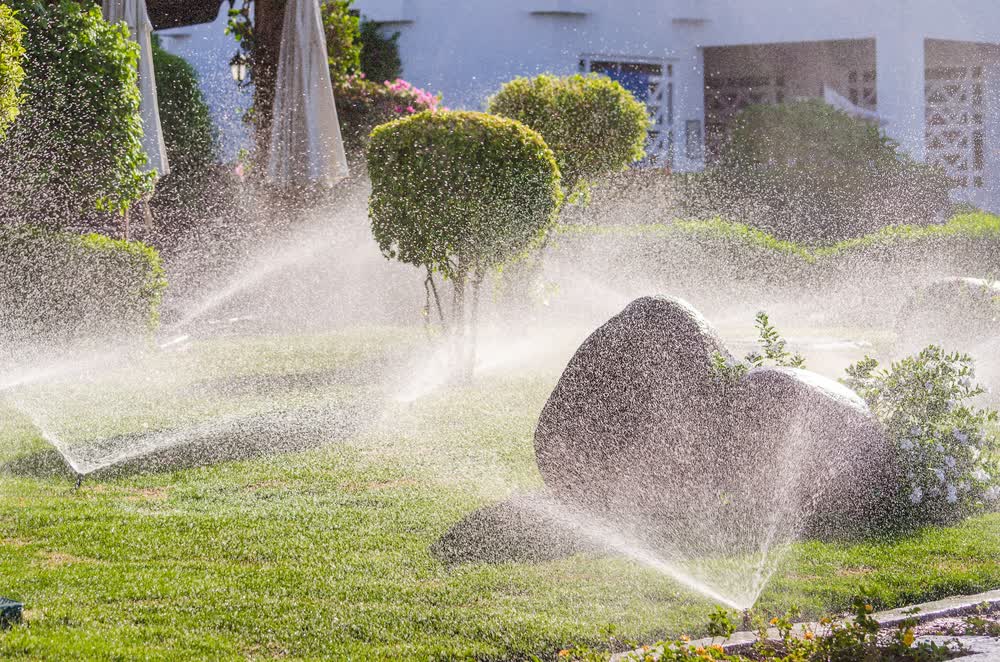
The best way to avoid irrigation problems is to catch them early. At the beginning of each season, run your full system and observe each zone. Look for signs of leaks, non-functioning heads, and misdirected sprays. Testing before your peak watering season helps ensure every component is working and reduces the risk of mid-summer failures.
Winterizing and System Upgrades
In colder climates, winterizing your irrigation system is essential. Drain lines, blow out water with compressed air if needed, and insulate exposed valves and piping. For added convenience and efficiency, consider installing a smart irrigation controller. These devices adjust watering schedules based on weather, helping conserve water and extend the lifespan of your system. UV-resistant piping, pressure-regulated heads, and leak-detection sensors are other modern upgrades worth exploring for long-term peace of mind.
Conclusion
Irrigation repair doesn’t have to be overwhelming. With a little time, observation, and a few tools, many homeowners can handle the most common issues themselves. From fixing a leaky valve to flushing out a clogged line, understanding your irrigation system puts you in control of your lawn’s health. Consistent maintenance and a proactive approach can prevent bigger issues and ensure that your landscape thrives year-round. Whether you’re fixing a single sprinkler or upgrading to smarter technology, every step you take helps protect your investment—and your yard. Get in touch with us to learn more about your irrigation system as well as our Irrigation, Sprinkler Repair & Irrigation System Repair.

"*" indicates required fields

RACHEL, H
C.W.
GEORGE, T.
MARK, A.
SERVICE AREAS
Dallas
Fort Worth
Frisco
Irving
Arlington
Plano
Allen
University Park
Grand Prairie
Richardson
Preston Hollow
Highland Park
Lakewood
Farmers Branch
Balch Springs
Duncanville
Coppell
Grapevine
Vickery Meadow
