 (214) 300-9564
 sales@progreenlandscapesolutions.com

When sprinklers run, a homeowner expects to see the lawn perk up, especially during the heavy August heat. But if the grass still looks dry, faded, or crispy after a full watering cycle, something deeper may be happening in the yard. In Fort Worth, TX, summer can reveal every weak spot in an outdoor system because water evaporates quickly from hot soil and stressed turf. That is when sprinkler repair becomes less about guessing and more about checking the right details before the lawn keeps getting worse.
Sprinkler Repair Clues That Point To Water Coverage Problems
Landscaping Signs Near Dry Areas
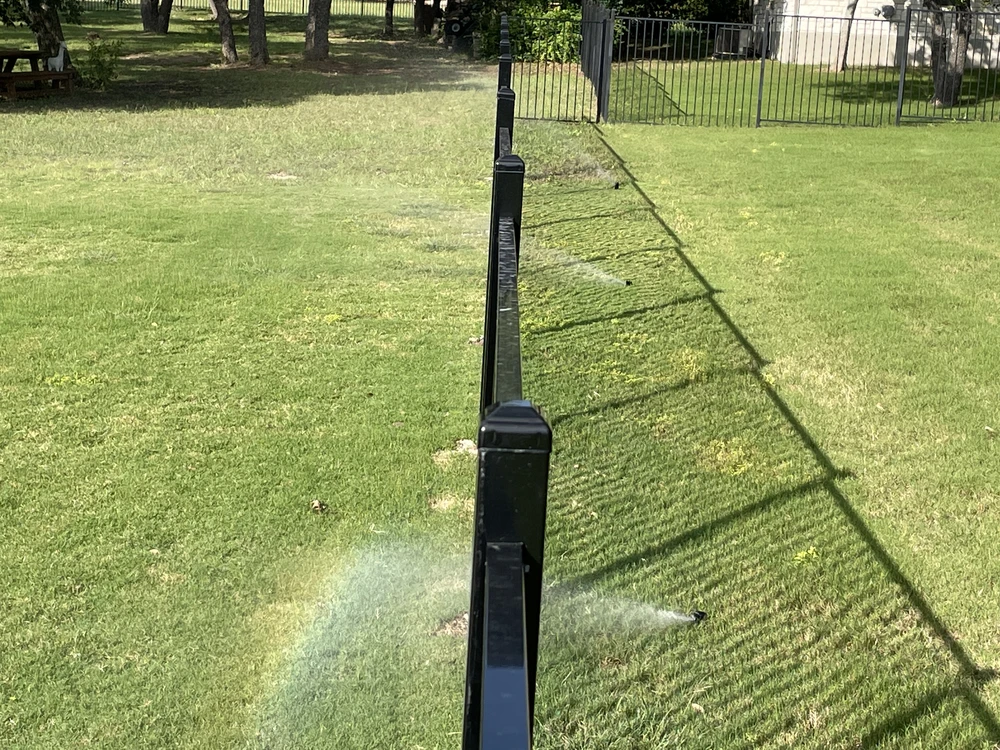
A dry lawn can look like one big problem, but the landscaping around it usually tells a more specific story. If one side of the yard has green turf and the other side looks pale, the water may not be landing where it needs to land. This can happen when shrubs grow in front of spray heads, mulch settles around nozzles, or edging blocks water from reaching the turf. Sometimes a homeowner may think the watering time is too short when, in reality, the sprinkler head is aimed at a fence, driveway, or flower bed. A good sprinkler repair check starts by watching where the water actually goes during the full cycle.
The shape of the dry spot matters, too. A half-moon dry patch may mean one head is not turning properly, while a long dry strip can point to trouble with spacing or spray direction. When dry areas are near walkways or patio edges, the spray may hit hardscape instead of grass. This is especially common after mowing, soil shifting, or small yard work that bumps a head out of place. In August, those missed areas can burn faster because the heat leaves the lawn little time to recover. Sprinkler repair helps identify small coverage issues before they develop into larger brown patches across the lawn.
Irrigation Spray That Misses Turf
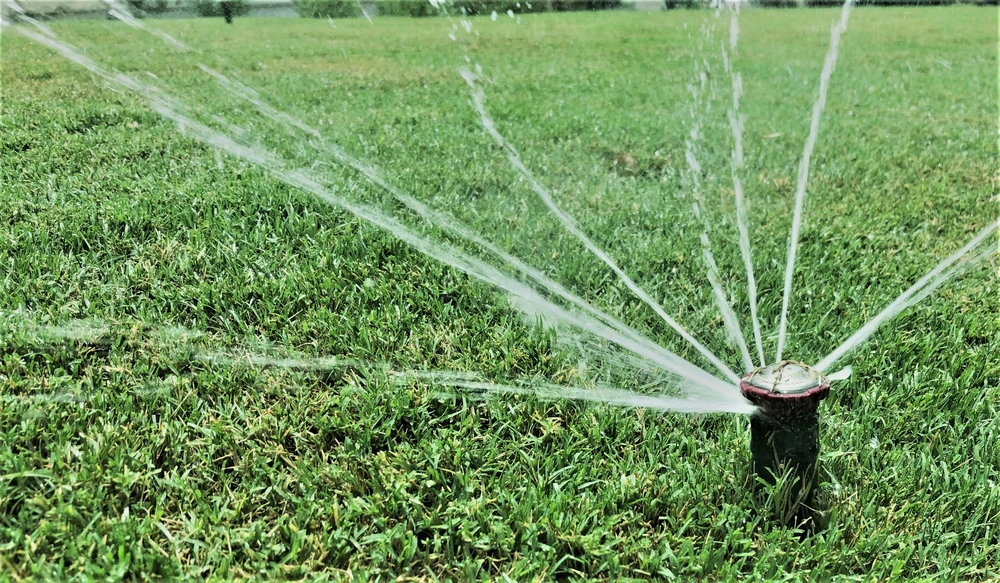
An irrigation spray pattern should overlap enough to give the lawn even moisture, not just a quick mist in the air. If the water looks misty or blows away before it reaches the ground, the pressure may be too high for that zone. If the water barely comes out, the pressure may be too low, or there may be a clog inside the nozzle. Both issues can leave grass thirsty even when the controller says the zone finished running. This is one reason sprinkler repair should include a live test rather than just checking the controller box.
Wind can also make the problem worse during August afternoons. A spray head that works fine in the morning may waste water later in the day if the spray drifts toward the street or driveway. Homeowners may notice wet concrete but dry turf, which is a sign the lawn is not getting the full benefit of each watering cycle. This matters for Fort Worth, TX, homeowners because summer watering needs to be effective, not wasted on places that do not need it. When irrigation system repair is handled carefully, the goal is not just to get water to flow. The goal is to help the lawn receive water where the roots can use it.
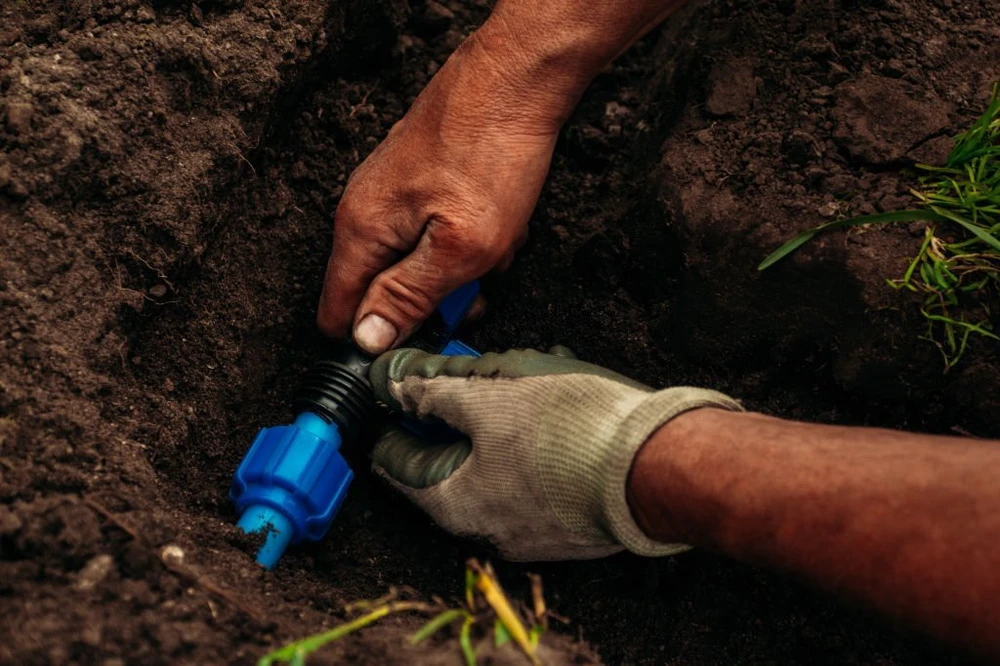
Sprinkler Repair Problems Beneath Dry Turf And Spray Heads
Landscaping Soil That Stays Dusty
The soil can reveal a lot about why sprinklers run, but the lawn stays dry. If the top of the yard looks wet for a few minutes but the soil underneath stays dusty, the water may not be soaking in long enough. North Texas clay soil can become hard during hot stretches, so water may run off the surface rather than move into the root zone. This is frustrating because the sprinkler system looks active, but the grass is still thirsty. In this case, sprinkler repair may involve checking run times, spray output, and whether water is pooling before it reaches the dry area.
There is another sign many homeowners miss. If one area stays dry while another area feels muddy, the issue may not be the watering schedule at all. It may be uneven pressure, a partly blocked head, or a hidden line problem feeding one part of the yard better than another. Landscaping beds can hide this kind of issue because water may drain under mulch or disappear behind plantings before the homeowner notices. A yard in Frisco, TX, can show this same problem after long, sunny days, especially where soil has compacted near walkways or outdoor living areas. Sprinkler repair is more effective when it considers the lawn, soil, and nearby surfaces together.
Irrigation Pressure That Drops
Irrigation pressure problems can be sneaky because the sprinklers may still pop up and spray. From a glance, the system may seem fine. But if the spray does not reach far enough, the heads may leave gaps between watered areas. The lawn can then develop dry patches in places that should be getting covered. This is where sprinkler repair can save a homeowner from increasing watering time and wasting more water by failing to fix the real issue.
Low pressure may come from a leak, a valve issue, a damaged pipe, or a clogged screen inside a head. High pressure can be just as wasteful, as it turns water into mist, which does little to help roots during a hot month. In Frisco, TX, similar clay-heavy yards may also show runoff quickly when pressure and timing are not balanced well. A professional check can separate a simple nozzle issue from a deeper irrigation problem that needs closer attention. For many homes, sprinkler repair is the practical middle step between noticing a dry lawn and protecting the whole yard from summer stress.
Sprinkler Repair Choices That Save Water Through August Heat
Landscaping Needs After Long Hot Days
August can be rough on turf, shrubs, and planting beds because the entire landscape is dealing with heat at the same time. When sprinklers run, but the lawn still looks dry, many homeowners first want to add more minutes to the controller. That can help in some cases, but it can also hide a repair issue while the water bill climbs. If the heads are clogged, tilted, broken, or spraying the wrong direction, longer run times may only create wetter sidewalks and the same dry grass. Sprinkler repair gives homeowners a better way to protect the yard without guessing.
A careful check should also look at how different areas of the yard are used. Turf near the street may need different attention than shaded grass near the house. A sloped yard may lose water faster than a flat section, while a compacted side yard may need shorter watering cycles that give the soil time to absorb moisture. These details matter because good landscaping care is not a one-size-fits-all approach for every corner of the property. Sprinkler repair works best when it matches the system to the real conditions in the yard.
Irrigation Tools That Cut Waste
Modern irrigation components can help reduce water waste when used correctly. Smart controllers, rain sensors, pressure-regulated heads, and efficient nozzles can make a big difference for busy homeowners. Still, these parts need to be checked when the lawn stays dry, because even a good tool can perform poorly if the head is blocked, the valve is weak, or the spray pattern is off. The best sprinkler repair approach considers both the older parts and the water-saving technology already integrated into the system. That way, the homeowner gets a clear idea of what is working and what needs attention.
There are also practical signs that a homeowner can notice before calling for help. Sputtering heads, bubbling soil, dry rings around sprinkler coverage, and water running into the street all deserve attention. A controller that skips a zone or runs at the wrong time can also create dry grass even if the heads are in decent shape. This is why irrigation system repair should not focus on a single part. A thorough sprinkler repair visit checks the controller, zone performance, head condition, pressure, and the lawn’s response after watering.
Conclusion
When sprinkler repair is handled early, a dry lawn has a much better chance of recovering before the summer heat causes deeper stress. It is easy to assume the yard simply needs more water, but the real answer may be a tilted head, weak pressure, a stuck valve, or spray that never reaches the roots. At Pro Green Landscape Solutions, we understand local lawns, drainage patterns, irrigation concerns, and the way August weather can affect outdoor spaces. We focus on quality service and smart water-saving options so homeowners can get the most out of their existing system. If your sprinklers are running but your lawn still looks dry, contact us today, and we will help you find the issue with care.


