 (214) 300-9564
 sales@progreenlandscapesolutions.com

A lawn can look uneven in July even when the irrigation system is running on schedule. In Frisco, TX, hot afternoons, shifting soil, and missed sprinkler coverage can leave certain areas dry while other spots look overwatered. Irrigation problems often begin small, then become more obvious once the grass starts showing brown edges, weak growth, or dry patches that keep coming back. This blog will help homeowners understand what to check before assuming the whole yard needs more water.
Irrigation Problems Often Start With Uneven Coverage
Sprinkler Repair Starts With Spray Patterns
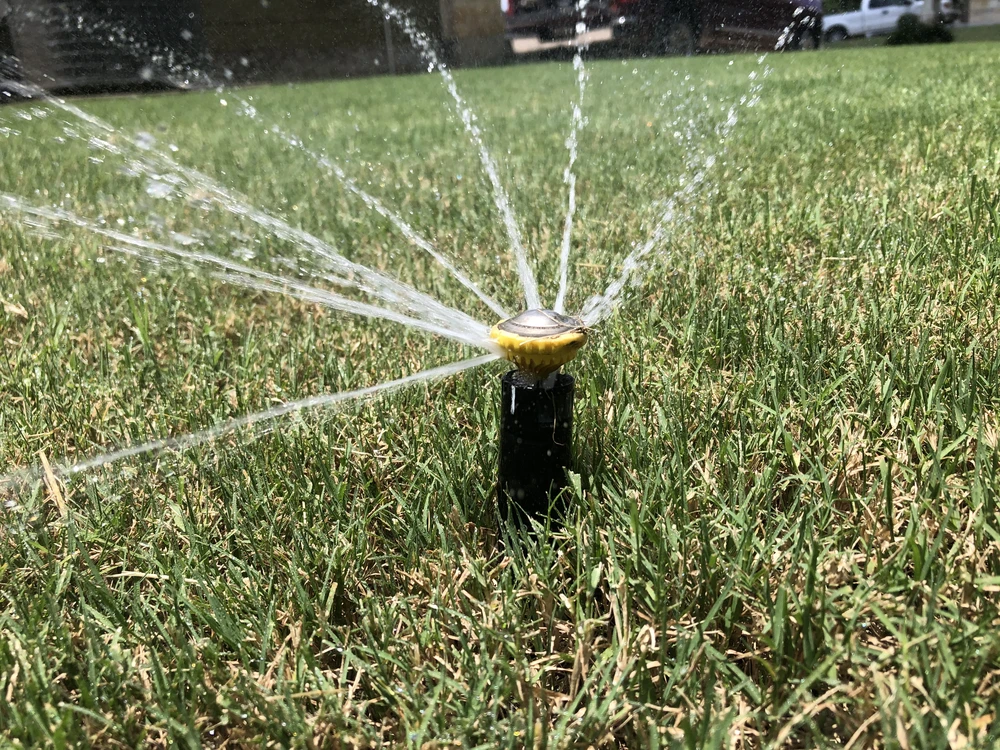
Sprinkler repair often begins with something very simple: where the water is actually landing. A sprinkler head may turn on and still miss the area it is supposed to cover. Sometimes the spray is blocked by taller grass, a plant bed, a fence line, or a head that has settled too low. Other times, the head is tilted just enough that water hits the sidewalk instead of the turf. When that happens, the lawn can develop dry strips even though the irrigation system seems to be working. A homeowner may hear the system run and think the yard is being watered evenly, but the grass tells the real story.
Coverage gaps are especially common in July because lawns need more consistent watering to reach the root area during the heat. If one sprinkler head is clogged, turned the wrong way, or spraying too far, a dry spot can begin quickly. In Fort Worth, TX, wide-open lawns may show these missed areas more quickly because full sun can dry the soil between cycles. Good irrigation work considers the spray pattern, distance, and overlap between heads. Sprinkler repair should not only fix what is broken but also help the system water the lawn in a cleaner, smarter way. That is where local expertise and understanding can make a real difference.
Irrigation System Repair Checks Hidden Gaps
Irrigation system repair may be needed even when the problem is not immediately apparent. A zone may turn on, but one section might be getting less pressure than the rest. A head may bubble instead of spray, or a nozzle may send out a weak fan of water that never reaches the edge of the lawn. These small details can create dry spots that look like poor grass health when the real issue is water coverage. A good inspection follows the water from the controller to each zone. That helps separate a turf problem from an irrigation problem.
Homeowners should also watch for areas that stay dry even after several watering cycles. If the same corner, strip, or patch keeps struggling, it may not be a weather issue alone. The irrigation system may have a gap in the layout, a blocked nozzle, or a head that no longer matches the area. This can happen as landscaping grows, beds change shape, or lawn areas shift over time. Irrigation system repair helps find those missing pieces before a homeowner wastes water trying to make up for them. More run time is not always the answer if the water still does not reach the right place.
Irrigation Trouble Can Come From Moving North Texas Soil
Sprinkler Repair Clues In Shifting Soil
Sprinkler repair may also become necessary because North Texas soil does not always remain in place. During hot and dry periods, soil can pull away and shift. After rain or heavier watering, it can swell and move again. This can affect sprinkler heads, pipes, fittings, and the way water travels across the lawn. A head that was level in spring may sit too low or too high by July. That small change can affect the spray pattern more than many homeowners expect.
In Frisco, TX, soil movement can be a real concern because dry heat and sudden storms can both influence the ground. A sprinkler head near a driveway, walkway, or curb may get pushed out of position as the soil changes. If the head is no longer straight, it may spray too much water in one direction and not enough in another. This is one reason irrigation problems can appear after the system seemed fine earlier in the season. Sprinkler repair should include checking head height, angle, and the condition of the area around each head. A careful adjustment can help the lawn receive water more evenly again.
Irrigation System Repair For Low Pressure
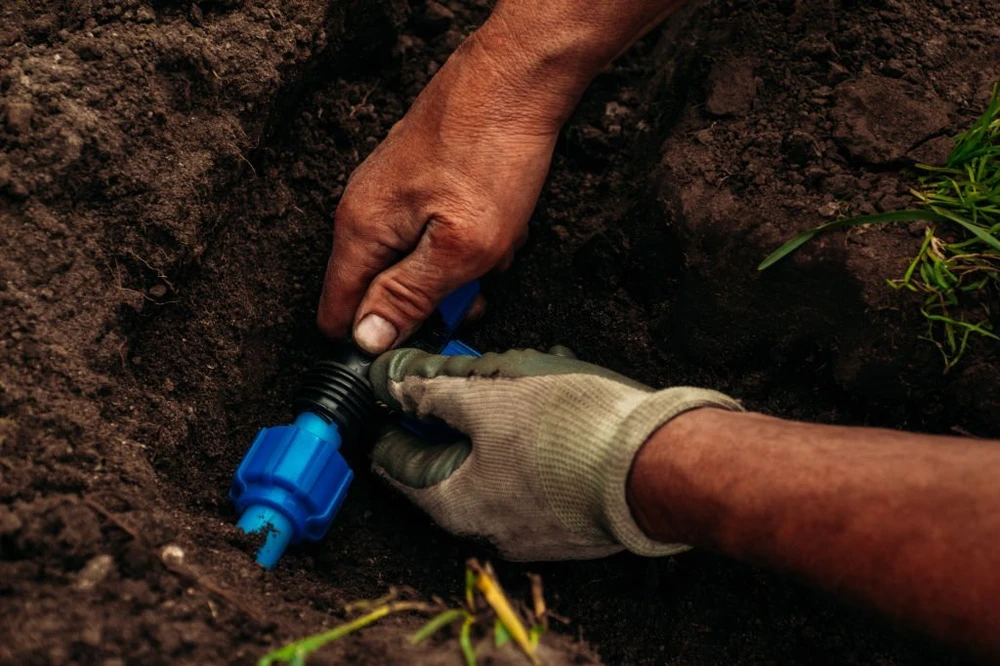
Irrigation system repair may also be needed when soil movement affects the system’s underground components. A pipe, fitting, or connection can be stressed over time, especially if the ground shifts near a valve box or under a high-use area. Low pressure is one clue that something is not working as it should. The sprinkler heads may rise halfway, spray weakly, or fail to reach their normal distance. A homeowner may notice that one zone looks tired while another zone looks fine. That difference can tell a lot.
Low pressure can also cause homeowners to water longer than necessary, wasting water without resolving the dry spot. If the zone cannot spray properly, extra minutes may only soak the area closest to the head while the far edge stays dry. In Fort Worth, TX, water-saving technologies can help when the system is properly set up and maintained. Smart controllers, matched nozzles, and better zone settings can support a healthier lawn without using more water than needed. Irrigation system repair should focus on both quality and efficiency. That is why a comprehensive service approach matters when dry spots are tied to pressure or underground issues.
Irrigation Plans Work Better When Dry Spots Are Traced
Sprinkler Repair Helps Find Dry Areas
Sprinkler repair works best when dry spots are traced back to their cause rather than guessed at. A dry patch may come from a blocked head, poor overlap, compacted soil, slope, or a watering schedule that no longer fits July weather. The grass may look similar in each situation, but the repair could be very different. Adding more water throughout the yard may create soggy areas, while the original dry spot still struggles. That can make the lawn feel harder to manage. A better irrigation plan starts with finding the exact reason water is not helping that area.
Homeowners can watch the system while it runs and look for simple signs. Is water blowing away in the wind? Is one head spraying a tree trunk or sidewalk? Does the edge of the lawn stay dry while the middle gets soaked? These details help narrow the problem before sprinkler repair begins. Local knowledge matters because North Texas lawns deal with heat, clay soil, watering limits, and fast-changing summer conditions. A quality-focused company should explain what they see and why a certain fix makes sense. Clear answers help homeowners feel more confident about the work.
Irrigation System Repair Supports Water Savings
Irrigation system repair can also make a yard more water-efficient. A system with leaks, low pressure, missing coverage, or outdated settings can waste water while still leaving dry areas behind. That is frustrating because the homeowner may be paying for water that is not helping the lawn. Modern water-saving options can help the system better match the yard. These options may include smarter scheduling, efficient nozzles, rain- or moisture-based adjustments, and better zone timing. The right solution depends on the property and the system’s condition.
Pro Green Landscape Solutions brings local expertise, quality-focused service, and innovative water-saving technologies to irrigation work. That matters because every yard has its own pattern of sun, shade, soil movement, and sprinkler coverage. Irrigation system repair should never feel like a random guess or a quick adjustment with no explanation. It should help the homeowner understand what changed, what needs repair, and how the system can work better. When dry spots are carefully traced, the lawn has a better chance of recovering without wasting extra water. Good irrigation care protects both the grass and the monthly water bill.
Conclusion
Irrigation problems can start with coverage gaps, soil movement, dry spots, and small system issues that are easy to overlook at first. The best next step is not always to add more runtime, because the water may still be missing the area that needs it most. At Pro Green Landscape Solutions, we help homeowners understand what their systems are doing and how their yards are responding. We bring local experience, comprehensive, quality-focused service, and water-saving options that fit the property. Contact us today to schedule help with your irrigation system and get clearer answers for your lawn.


