 (214) 300-9564
 sales@progreenlandscapesolutions.com

In Dallas, TX, May can feel like a warning sign that summer is close. The sun starts lasting longer, the wind picks up, and lawns can go from green to stressed faster than homeowners expect. That is why sprinkler repair in late spring matters so much: small problems waste water and leave dry patches right when the heat hits. Keep reading to see what should be repaired now, before the first truly hot week makes everything harder.
Sprinkler Repair for More Efficient Watering
Irrigation Pressure That Stays Even
One of the first sprinkler repair issues to look for is uneven pressure. A system can look like it is running fine, but if one zone has a weak spray and another zone is misting, water is not landing where it should. Homeowners can run each zone for a minute and watch the pattern, not just the puddles. Low pressure can indicate a hidden leak, a partially closed valve, or a clogged filter in the line, and high pressure can produce a foggy spray that dissipates in the air. When irrigation pressure is balanced, the lawn gets a deeper soak, and that helps roots handle hot afternoons.
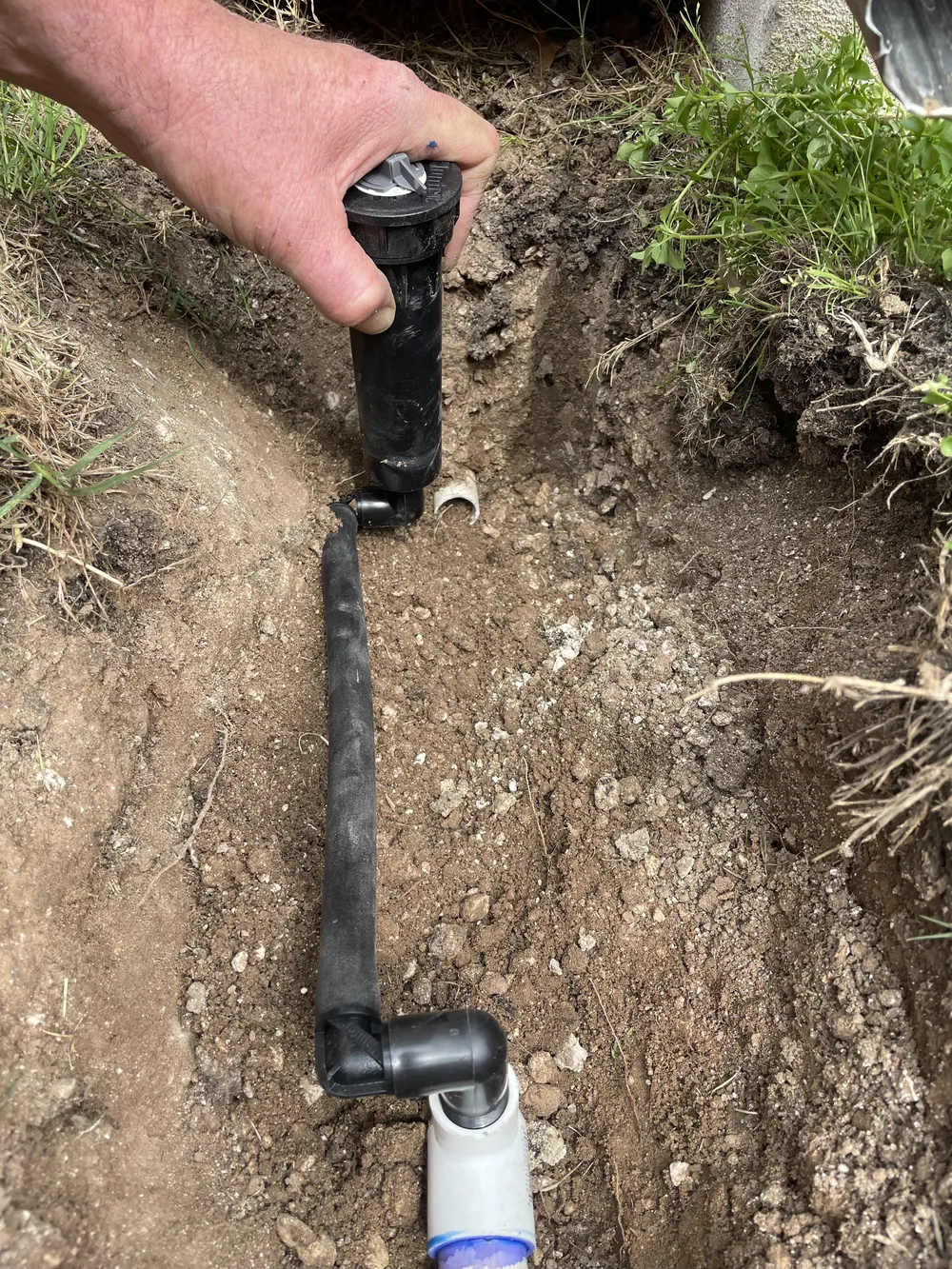
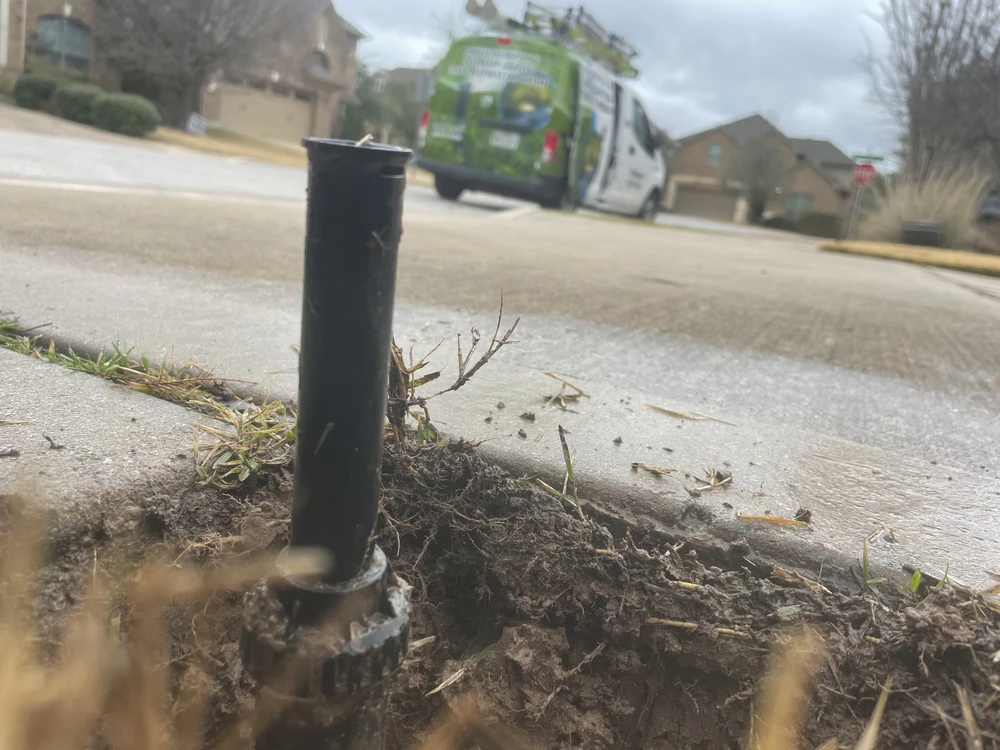
Another clue to a sprinkler repair is how the heads behave when they pop up and drop back down. Heads that sit low or stick up only halfway often get clogged with soil, lawn clippings, or small rocks. In Fort Worth, TX, yards with heavier soil can see this more often after spring rain, since mud can pack around the head and body. A simple cleaning can help, but sometimes the internal spring is worn, or the seal is damaged, so the head needs a proper repair rather than a quick rinse. It also helps to check for bubbling water around a head while the zone is running, because that can mean a cracked fitting underneath. Fixing those pressure problems early makes the whole watering cycle more dependable.
Landscaping Signs Of Leaks And Dry Spots
A yard usually gives hints when sprinkler repair is overdue, even if the controller schedule looks normal. If one area stays bright green while another looks dull and thirsty, coverage is probably uneven. Homeowners can also look for muddy spots that never seem to dry, because that often points to a leak below the surface. Landscaping features can make this easier to spot, especially along bed edges where mulch shifts or soil sinks over time. If a walkway has water washing across it after a cycle, overspray might be part of the problem, or the head angle may be off. These signs matter in May because they tend to worsen as the sun starts baking the topsoil.
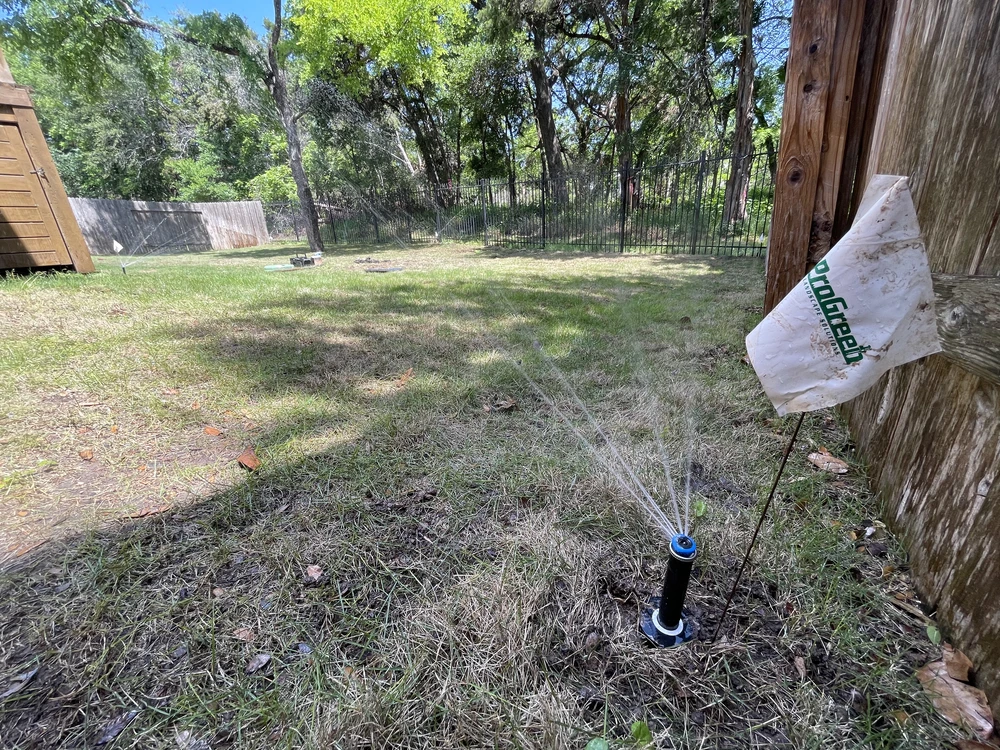
Dry patches can also be caused by a head that is spraying into a shrub, a fence, or tall groundcover instead of open turf. This is another sprinkler repair issue that sneaks up on homeowners as spring growth gets fuller. Landscaping changes how water moves, and a plant that was small last year might now block half of a spray pattern. It helps to watch zones run and see where the water is actually landing, then adjust the nozzle direction or replace a damaged nozzle. If a section near the foundation is always wet, that is worth addressing too, since constant moisture near a home can cause other problems later. Good coverage is not about soaking everything; it is about putting water where it belongs.
Sprinkler Repair to Maintain a Healthy Yard
Irrigation Valves And Wiring That Misbehave
Many sprinkler repair calls come down to valves that do not open or close properly. If a zone runs weak, refuses to start, or stays on after the controller says it is done, the valve assembly is a strong suspect. Dirt in the valve, a worn diaphragm, or an electrical issue at the solenoid can all lead to strange watering cycles. Homeowners might also hear a faint hiss at the valve box during irrigation, which can mean water is moving when it should not be. In May, this matters because a stuck valve can waste a surprising amount of water before anyone notices. A careful valve check is one of the simplest ways to keep bills from climbing.
It is also smart to look at wiring and connections, because small breaks can create big confusion. If the controller shows a zone running but nothing happens outside, the signal may not be reaching the valve. This is where irrigation system repair becomes more than just swapping a head, since the problem could be a nicked wire, corroded splice, or a connection pulled loose in the valve box. Many lawns in Dallas, TX, deal with shifting soil and burrowing pests, both of which can disturb wires over time. A quality repair includes testing, cleaning connections, and making sure the valve responds reliably. When the electrical side is healthy, the system runs on schedule rather than guesswork.
Landscaping Damage From Overspray And Runoff
Some sprinkler repair work is not only about water savings but also about protecting the property. Overspray that hits a fence, patio edge, or siding can leave stains and algae, especially when watering occurs early, and the area stays damp. Homeowners might see mulch washing out of beds or soil carving a small channel along an edge, which is a sign that water is hitting too hard in one spot. Landscaping beds can also show plant stress when the wrong plants get soaked every day while nearby areas stay dry. If a slope pushes runoff toward a low spot, drainage issues can show up, even if the sprinkler schedule seems normal. Adjusting the spray direction and repairing nozzles can reduce that messy runoff.
Runoff can also occur when a zone exceeds the soil's capacity to absorb water, which is common in clay-heavy yards. This is another sprinkler repair situation where the controller settings matter, because a broken sensor or incorrect run time can push too much water at once. If the system already has a rain sensor or water-saving feature, it should be checked to make sure it is working, not ignored. Landscaping looks better when water soaks in rather than racing across the surface, and plants do better when moisture stays near their roots. Fixing overspray and runoff also makes mowing easier, since soggy edges tend to rut and tear up fast. These are the repairs that protect both the yard and the hard surfaces around it.
Sprinkler Repair To Protect Plants When Heat And Wind Pick Up Now
Irrigation Heads And Smart Settings
By late spring, sprinkler repair often comes down to the nozzle. A partly clogged nozzle can create a strange arc, leaving a crescent of dry grass that grows wider each week. Rotor heads can also get worn gears, which causes them to stop turning or to spin too far, and that throws off the entire zone’s coverage. Homeowners can look for heads that spray into the street, hit the same spot nonstop, or create a fine mist that drifts away when the wind hits. This is where irrigation system repair can save a lot of frustration, because replacing worn parts and cleaning nozzles brings the pattern back. If the system has pressure-regulating heads or other water-saving components, they should be repaired so they function as intended.
Controller settings deserve attention, too, especially when the goal is water savings without stressed turf. A controller that still runs the same schedule used in March might be watering too lightly, or watering too often in short bursts that do not help roots. In Fort Worth, TX, warm nights can dry out lawns faster than people think, so the timing and duration matter as much as the hardware. A good repair visit often includes checking the program, confirming zone times, and ensuring each zone meets the plant's needs in that area. It is also worth checking for error codes, battery issues, or a display that resets after power flickers. Small controller issues can lead to big watering mistakes, and those mistakes show up quickly once summer starts.
Landscaping Hot Spots Near Beds And Walkways
When sprinkler repair is done well, the yard feels more even, not just wetter. One of the best ways to confirm that is to look at the “hot spots” that always struggle, like strips near driveways, corners by walkways, and areas beside reflective windows. These spots heat up faster, and landscaping in those areas often needs a little more consistent moisture. If heads are spraying over the top of a bed instead of into it, flowers can look stressed while the lawn looks soaked. On the other hand, if a bed gets hit too hard every day, mulch can shift, and roots can stay too wet. A repaired spray pattern helps keep both turf and beds in better shape without wasting water.
It also helps to watch for overspray hitting tree trunks or the base of shrubs, since constant moisture can lead to decay and fungus. Landscaping should not be treated like a single zone where everything gets the same amount of water. A good sprinkler repair approach accounts for mixed areas, such as a sunny lawn next to a shaded bed, so moisture is not dumped where it does not help. Homeowners can also look for pooling water in low spots, because even a strong sprinkler setup cannot overcome poor soil drainage. When patterns are corrected, those trouble spots become smaller, and the whole yard looks more consistent. That is when the system starts working as it should, rather than creating new problems.
Conclusion
Sprinkler repair before summer heat arrives is one of the best ways to protect a yard, conserve water, and avoid stressful surprises when the forecast turns harsh. When valves, wiring, heads, and settings are working correctly, homeowners spend less time chasing dry patches and less money on wasted water. That is what we focus on at Pro Green Landscape Solution: using local expertise and understanding, providing comprehensive, quality-focused service, and implementing innovative water-saving technologies that help existing systems run better. If your system seems off, contact us, and we will help get it back to reliable performance.


