 (214) 300-9564
 sales@progreenlandscapesolutions.com

In April, North Texas lawns start waking up fast, and the watering schedule usually follows right behind. Many homeowners in Dallas, TX flip the system on and expect everything to run like it did last fall, only for a couple of weeks to go by, and the yard tells a different story. The tricky part is that most irrigation problems start small, then the season speeds up, and the damage shows up all at once. This blog walks through the early signs of irrigation system repair, so homeowners can catch issues while they are still manageable.
How Soil Conditions Signal Irrigation System Repair
Irrigation Trouble That Shows In The Soil
The first hint that irrigation system repair is needed often sits right on the surface. A lawn that stays soggy in one spot long after a cycle ends usually is not “just clay soil being clay soil.” It can be a cracked line, a loose fitting, or a valve that is not closing all the way. When that happens, the area can feel spongy underfoot, and it may even smell a little swampy on warm afternoons. Over time, grassroots in that area can struggle because they are essentially sitting in a shallow puddle. Irrigation problems like that also invite fungus, which is not what anyone wants as the weather warms.
On the other side of the yard, dry patches can also point to irrigation system repair, especially when the rest of the lawn looks fine. A sprinkler head might not be popping up fully, a nozzle could be clogged, or a zone could be running with weak pressure. Some homeowners assume the sun is “just hitting that spot harder,” but if the pattern is sharp and repeats after every run, it is worth paying attention. The early season is when turf is trying to fill in, so uneven watering can make thin areas stick around longer than they should.
Sprinkler Repair Clues Around The Heads
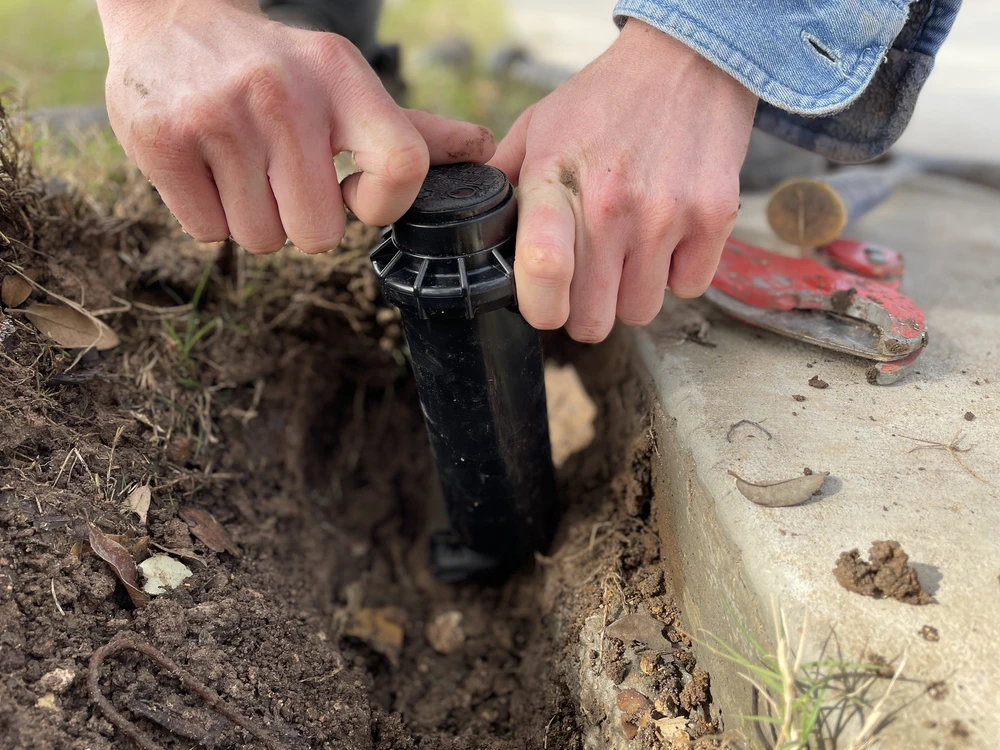
Sometimes the clearest sign of a sprinkler repair is right around the sprinkler head itself. If a small sinkhole is forming, a tilted head or a soft ring of mud around a single spot may indicate that water is escaping beneath the surface. That can happen when a head gets clipped by a mower, bumped by a tire, or slowly shifted by soil movement. Even a small crack can waste a surprising amount of water, which adds up once the schedule increases. When irrigation system repairs are handled early, they often prevent more extensive repairs later, such as replacing sections of pipe or rebuilding a washed-out area.
Overspray is another clue to sprinkler repairs that homeowners can spot without any special tools. If water hits a fence, the side of the house, or a driveway more than the grass, the head might be misaligned, or the nozzle might be the wrong type for the zone. Some homeowners try to twist the head and hope for the best, but if the head is loose, it will drift back out of place again. It is also common to see misting, which appears as fog rather than as clean streams of water. Misting can be caused by high pressure, worn nozzles, or a damaged head, and it usually means that irrigation system repair is needed before the system runs more often.
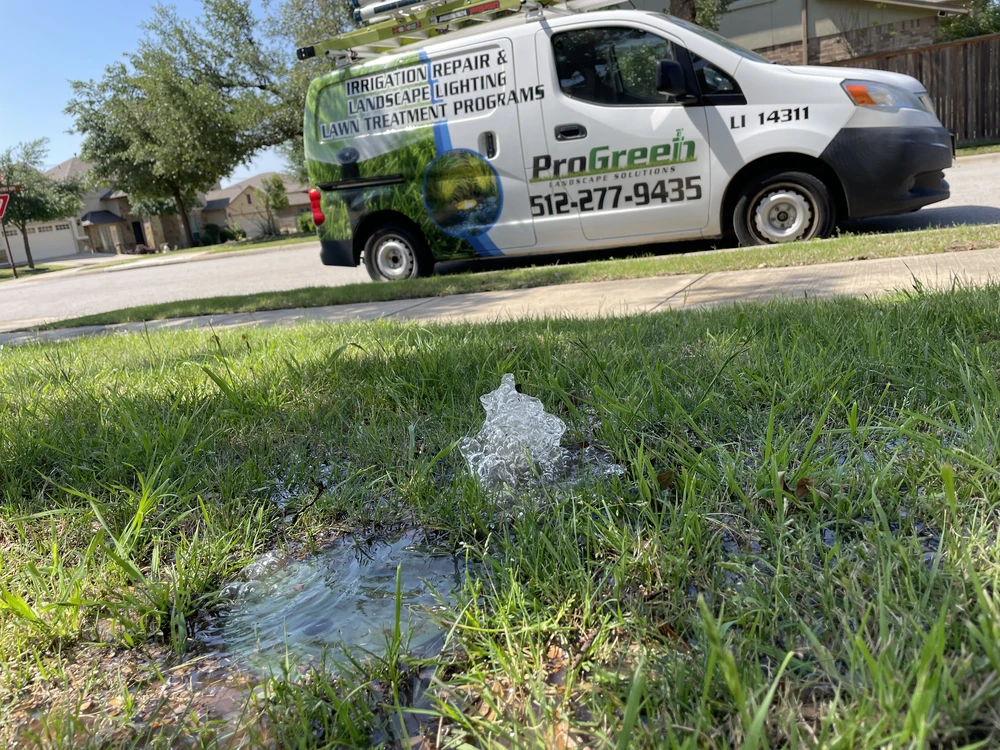
Irrigation System Repair for Correct Spray Patterns
Irrigation Pressure Problems That Change Fast
Pressure issues can be sneaky because they do not always show up in every zone. A homeowner might run the front yard, and everything looks normal, then the backyard turns on, and the spray barely reaches the grass. That kind of uneven performance often points to an irrigation system repair, such as a partially closed valve, a crushed line, or a leak that is siphoning off pressure before the water reaches the heads. In Fort Worth, TX, many properties also have mixed zones with different head types, and pressure problems tend to show up sooner when the system is not balanced.
High pressure can cause trouble, too, and it often looks like wasted water. Instead of solid streams, the heads may create a fine mist that blows away in the wind. That can make irrigation seem to be running, but the grass is still thirsty. It also drives up water bills, which is frustrating when the yard still looks uneven. Irrigation system repair for pressure issues might involve adjusting a pressure regulator, correcting a stuck valve, or replacing worn parts that are no longer holding their shape. Those repairs also support water-saving technologies, because efficient watering depends on pressure that matches the nozzles and the zone design.
Sprinkler Repair Signs In The Sound And Timing
Homeowners do not always think about sound, but it can be a real clue. A loud clunk when a zone starts or stops can be “water hammer,” and it may indicate that a valve is shutting too quickly or that air is trapped in the line. If that keeps happening, it can stress fittings and shorten the life of parts that should last much longer. Another clue is timing that feels off, like a zone that runs and runs but still leaves dry spots. That can happen when sprinkler heads are clogged or stuck, or when the zone is losing water underground and never builds the right spray pattern.
A sprinkler repair issue can also show up as heads that do not pop up when they should. One or two heads staying down might not sound like a big deal, but it changes coverage more than people expect. When water is scarce in the early season, turf and beds can fall behind as growth picks up. Irrigation system repair at this stage is usually more straightforward, because problems are still localized and parts have not been damaged by months of stress. It also helps homeowners avoid chasing the issue all summer with extra run time, which is one of the easiest ways to waste water without fixing the real problem.
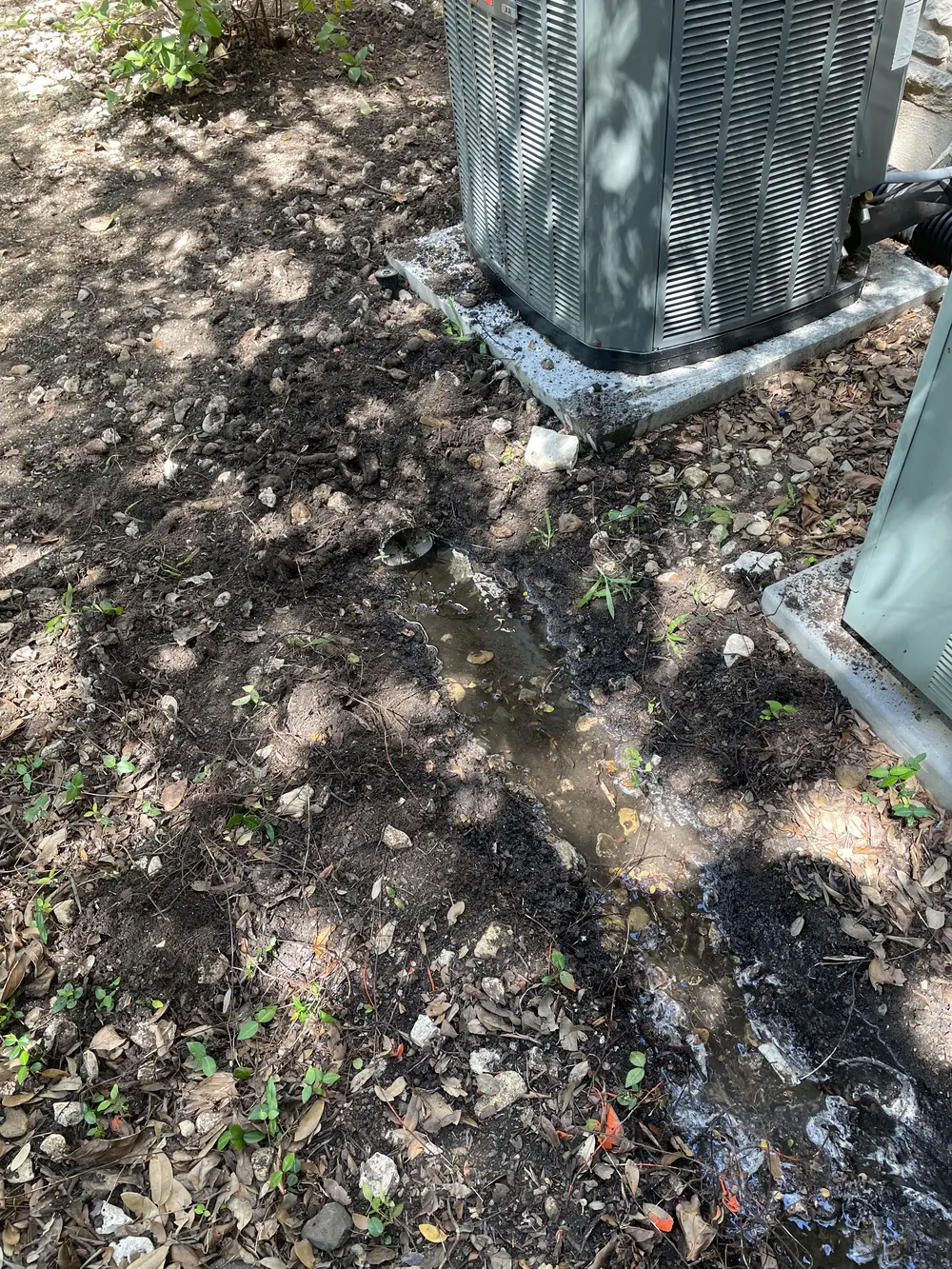
How Irrigation System Repair Prevents Fungus and Weeds
Irrigation Issues That Create Weeds And Fungus
When irrigation is uneven, plants react in predictable ways. Wet areas can start growing weeds faster, and overly damp turf is more likely to deal with fungal problems once nights stay warm. Dry areas, meanwhile, can thin out, making room for crabgrass and other opportunistic weeds. If a homeowner sees a mix of soggy and crispy spots in the same yard, the need for irrigation system repair should be taken seriously. It is not only about keeping the lawn green, but it is also about keeping the landscape healthier overall.
Irrigation system repair can also protect shrubs and flower beds, especially when a zone is spraying too hard in one direction. Some plants handle extra water well, but others start to show stress, yellow leaves, and poor growth. It is common for homeowners to assume the plant “just did not make it through winter,” when the real issue is that a head has been spraying the same root zone too heavily every morning. In Dallas, TX, spring warm-ups can make that kind of overwatering show up quickly, especially in spots that do not dry out well. Catching this early supports sprinkler repair that is focused on quality, not quick fixes that drift out of alignment again.
Sprinkler Repair That Keeps Watering Efficient
If the early signs point to a sprinkler repair, it helps to think about efficiency, not just getting water spraying again. A system can run and still waste water if nozzles are worn out, heads are tilted, or zones are sending water where it is not needed. That is where water-saving technologies matter, even for homes that are not chasing every new gadget. Simple repairs, such as correcting spray patterns, replacing a damaged nozzle, or fixing a small leak, can make the entire watering plan more effective.
Fort Worth, TX homeowners also run into another common issue in spring: the yard looks uneven even though the schedule seems “right.” That is often because the system is not delivering water evenly, not because the settings are wrong. Sprinkler repair might be needed in one zone while another zone is fine, and that can be missed if someone only checks the controller and never watches the heads run.
Conclusion
Early-season watering is when small problems either get solved or drag into the hottest months of the year. When homeowners notice soggy patches, weak spray, misting, or heads that no longer behave as they used to, those are often early signs that irrigation system repair is needed. Addressing these issues now protects the lawn and keeps water use under control. If the system is showing signs of trouble, we at Pro Green Landscape Solutions can provide comprehensive, quality-focused service. Contact us today, and we’ll help get the system running the way it should.


