 (214) 300-9564
 sales@progreenlandscapesolutions.com

March can make a yard feel confusing in North Texas. One day, the soil looks dry, then the next morning, there is a soggy spot that seems to come out of nowhere. When that wet patch keeps showing up in the same place, it is often a sign that sprinkler repair is needed, not more sunshine. This blog breaks down how Dallas homeowners can spot hidden leaks early to protect their lawn and avoid bigger messes later. Keep reading and learn what to look for before a small leak turns into a muddy headache.
Identifying Sprinkler Leaks in Persistent Soggy Spots
Irrigation Clues That Separate Rain From Leaks
A soggy spot after a storm is normal, but a soggy spot that stays wet after the rest of the yard dries is when people should start paying attention. In March, lawns often wake up slowly, making leak signs easier to miss because growth is uneven anyway. A homeowner can start by considering timing: if the wet area shows up even when the sprinkler schedule is off, it may be natural drainage from rain. If the wet area keeps coming back after watering days, that is when sprinkler repair moves up the priority list. This is especially true in Dallas, TX, where spring weather can flip from warm to cool in the same week and keep soil damp longer than expected. The next clue is texture. Rain usually leaves the surface damp across a wider area, while a leak often creates a single soft patch that feels almost spongy underfoot. If a homeowner notices water pooling near a single sprinkler head even when the zone is off, that can point to a valve that is not closing all the way. The irrigation system can also leave a telltale sign on sidewalks or curbs, such as a thin stream that keeps appearing in the same crack. When those patterns show up, sprinkler repair is less about guessing and more about following the water trail.Landscape Spots Where Water Hides Underground
Leaks do not always show themselves. Sometimes the wettest spot is actually a few feet away from the real problem, because water travels along the easiest path underground. A homeowner might see a soggy area at the bottom of a small slope, while the cracked line is higher up, where the soil looks normal. This is why it helps to look around the whole section of the yard instead of staring at one muddy patch. In a healthy landscape, water soaks in, spreads through the soil, and then dries at a reasonable pace. Hidden leak areas often occur near valve boxes, along the edge of a driveway, or beside a tree line, where roots can press against older piping. In Fort Worth, TX, it is common to see heavy soil that holds moisture near the surface so that a leak can look like “just clay staying wet” at first. A soggy spot can also invite algae or fungus, and that can spread into the surrounding grass once warmer days show up. That is when a simple repair becomes a longer cleanup project for the landscape.
How to Test Your Irrigation System Without Excavation
Using a Stopwatch for Irrigation Flow Rate Audits
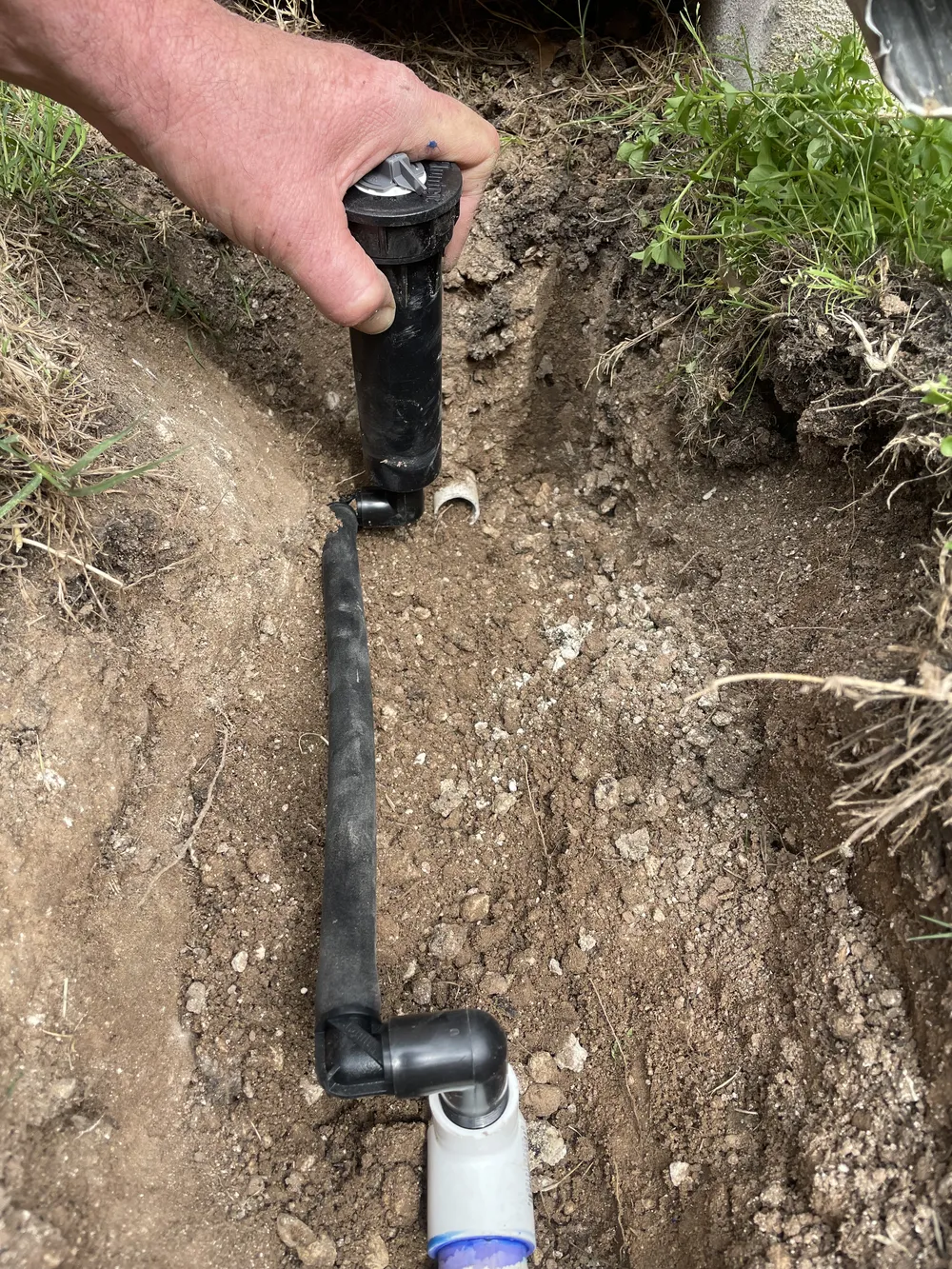
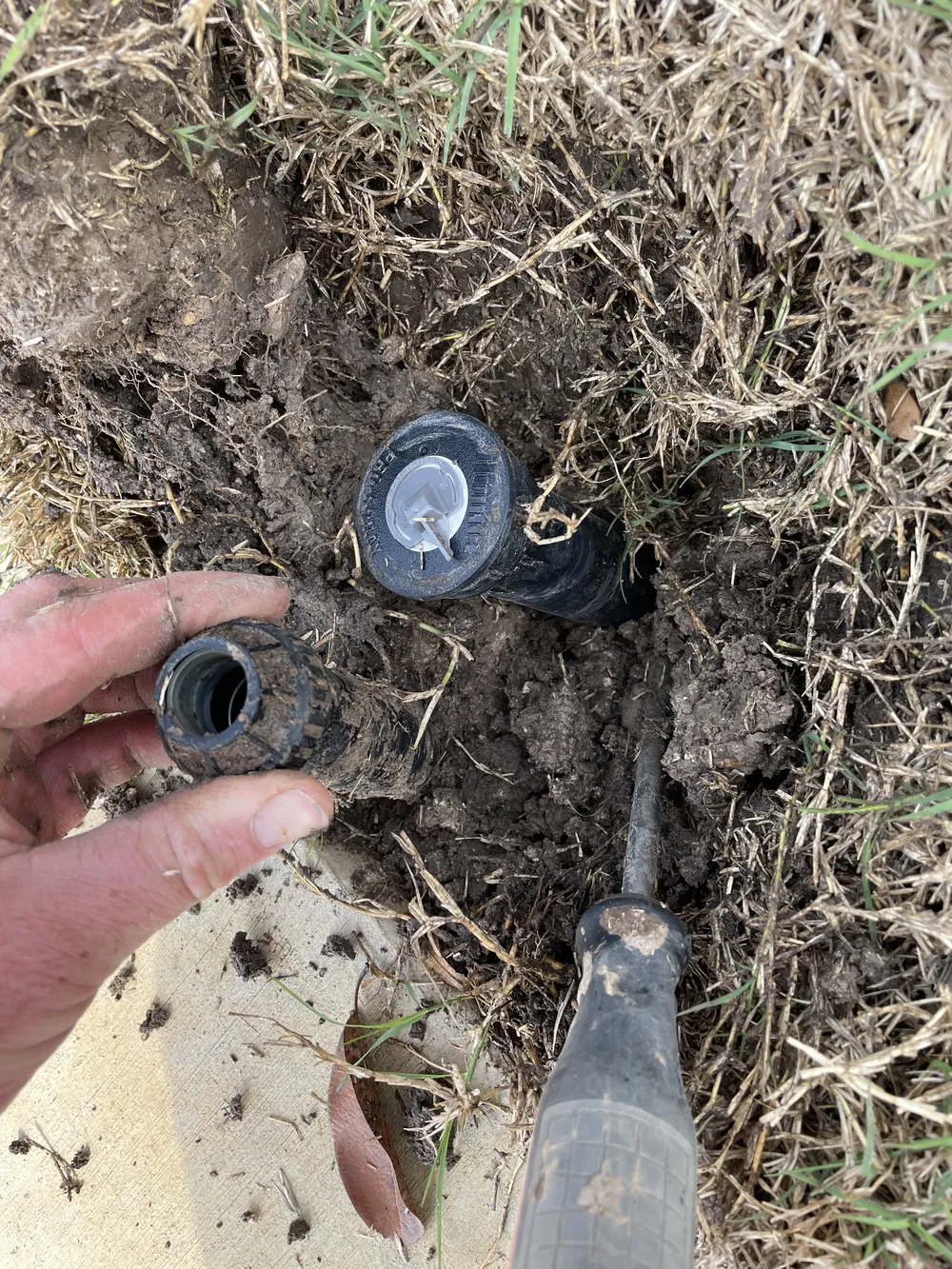
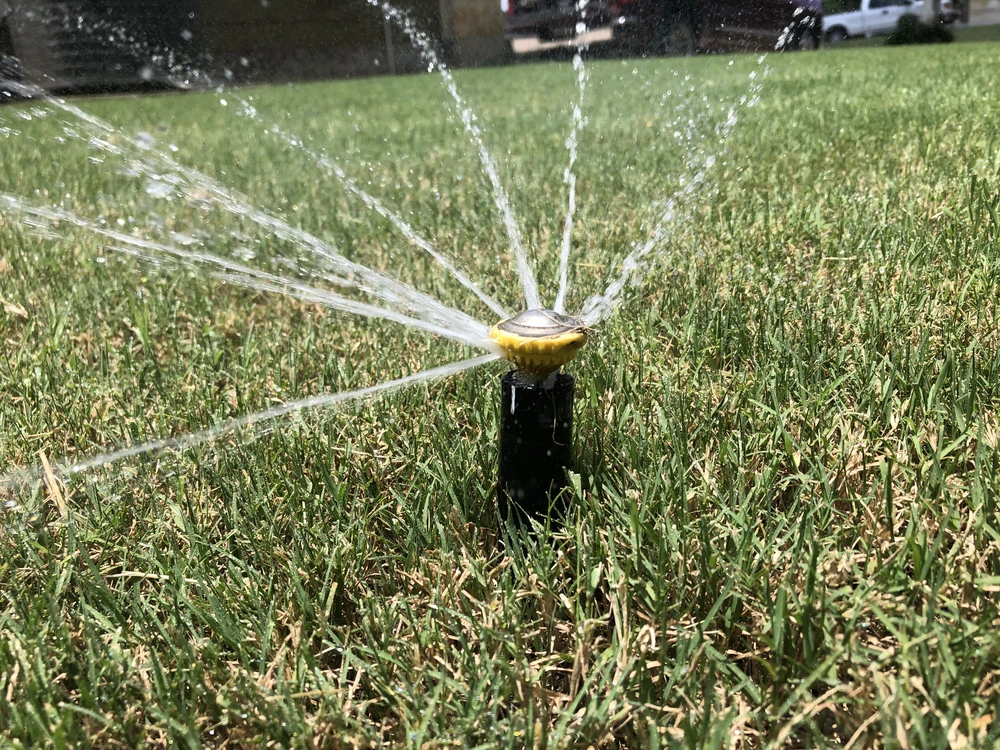
Many homeowners assume they need to dig to find a leak, but there are a few checks that can narrow it down without tearing up the lawn. One of the easiest ways is to watch each zone run and compare what they see to what they normally expect. A homeowner can run one zone at a time, then walk the area slowly and look for bubbling water, extra spray, or a head that never stops dribbling when the zone shuts off. If one area stays soaked long after the zone finishes, that can point toward a line issue that needs sprinkler repair. It also helps to notice how long it takes for the wet spot to show itself. If the ground turns soggy within a few minutes of a zone running, the leak might be closer to the surface, like a cracked riser or a split fitting. If the soggy area builds slowly and keeps growing over time, the leak may be deeper, which is where irrigation system repair can get more technical.How Saturated Soil Impacts Turf Root Respiration
A leak is not only a water issue. It is also a soil issue, and soil problems show up fast once spring growth kicks in. When too much water stays in one spot, roots can struggle because they are sitting in wet ground instead of getting the air they need. Over time, the turf can thin, and that thin area becomes the first place weeds move into. A homeowner might also notice the grass turning a strange yellow-green shade, especially if the rest of the lawn still looks dormant. Those changes can be an early warning sign that sprinkler repair is needed, even if the leak is not yet obvious. A wet patch can also make the ground unstable in small ways. Soil can wash out under the turf, leaving a low spot that traps water again, keeping the cycle going. If a yard has decorative edging or small stone borders, too much water can shift them little by little, altering the landscape's look. This is one reason why early checks matter in March, when storms already put pressure on soil and drainage. In Dallas, TX, many lawns are a mix of sun and shade, and a leak in a shaded area can linger longer and cause more damage. Catching it early can mean a sprinkler repair stays simple.
Identifying Costly Sprinkler Repair Warning Signs
Irrigation System Repair When Pressure Is Low?
Sometimes the first sign of a leak is not a wet spot at all. It is a change in the system's behavior. A homeowner might notice that sprinkler heads are not popping up fully, or the spray looks weak and uneven. That can happen when pressure drops from a leak somewhere along the line, or when a valve is struggling. Pressure issues often lead to dry areas in one part of the yard and wet areas in another. That uneven watering can stress grass just as much as a soggy patch does. Another red flag is when the controller seems normal, but the system still runs strangely. Maybe a zone shuts off, and one head keeps releasing water, or a section stays damp even when the schedule is off. That can point to valve trouble or a slow leak that needs an irrigation system repair from someone who can test it properly. Pros can also check for pressure loss and flow issues using diagnostic tools designed for water savings. In Fort Worth, TX, where water use can rise fast once temperatures climb, a small leak can quietly add up.Post-Repair Soil Management for Dallas Lawns
After the leak is fixed, the yard still needs a little attention to recover evenly. A soggy spot might stay soft for a while, especially if the soil has been saturated for days. A homeowner can help by letting that area dry before heavy foot traffic returns, because wet soil compacts easily and slows grass recovery. This is also a good time to take a broader look at the landscape, because leaks often reveal weak spots in grading or drainage patterns. Even when a leak caused the soggy area, poor drainage can keep the damage looking worse than it should. Once sprinkler repair is done, it is smart to recheck the watering schedule and make sure zones are not running longer than the yard needs in March. Cooler mornings and surprise rain can mean less watering is required, and an irrigation controller that is set for summer can overdo it this time of year. Many homeowners also find that the repaired area needs lighter watering for a short time because the soil structure may have shifted. When sprinkler repair is paired with good scheduling, the landscape comes back stronger and looks more even heading into late spring.


